Blog

  • Best Mechanical Keyboards of 2026: Top Picks for Every Typist

    Best Mechanical Keyboards of 2026: Top Picks for Every Typist

    The Right Keyboard Can Transform Your Entire Computing Experience

    Whether you type 8 hours a day or game late into the night, the keyboard under your fingers matters more than most people realize.

    If you’ve ever experienced wrist fatigue after a long workday, or frustration from mushy laptop keys that slow down your thinking, you already understand the problem. A poor keyboard doesn’t just feel bad — it can cost you speed, accuracy, and even contribute to repetitive strain injuries. According to a 2025 report from the Bureau of Labor Statistics, musculoskeletal disorders account for over 30% of workplace injuries, with repetitive typing being a major contributor.

    Mechanical keyboards have moved well beyond niche gaming hardware. In 2026, they represent one of the fastest-growing segments in consumer tech peripherals, with the global mechanical keyboard market projected to exceed $2.8 billion by the end of the year, according to Statista. Remote workers, developers, writers, and gamers are all making the switch — and for good reason.

    In this guide, we break down the best mechanical keyboards of 2026, covering the top picks across different switch types, budgets, and use cases. We’ll explain what makes each one stand out, who it’s best suited for, and what to watch out for before you buy.

    What Is a Mechanical Keyboard and Why Does It Matter in 2026?

    A mechanical keyboard uses individual physical switches beneath each keycap — as opposed to the rubber dome or membrane technology found in most budget keyboards and laptops. Each switch registers a keypress through an actual mechanical mechanism, which gives you tactile feedback, consistent actuation force, and significantly longer lifespan.

    Most mechanical switches are rated for 50 to 100 million keystrokes, compared to roughly 5 to 10 million for membrane keyboards. That’s a meaningful difference if you type thousands of words per day.

    In 2026, the mechanical keyboard landscape is more diverse than ever. You’ll find:

    • Linear switches — smooth keypresses with no tactile bump, preferred by gamers (example: Cherry MX Red, Gateron Yellow)
    • Tactile switches — a noticeable bump without an audible click, ideal for typists who want feedback without noise (example: Cherry MX Brown, Topre)
    • Clicky switches — audible click plus tactile bump, beloved by writers and programmers who type in solo environments (example: Cherry MX Blue, Kailh Box White)
    • Silent switches — dampened linear or tactile options for open offices or shared spaces

    Hot-swap functionality — which lets you swap switches without soldering — has also become nearly standard in mid-range and premium boards, making customization far more accessible than it was even three years ago.

    Key Features to Look for in a Mechanical Keyboard

    Before diving into our top picks, here’s what separates a great mechanical keyboard from a mediocre one in 2026:

    • Switch type and quality — Cherry MX, Gateron, Kailh, and proprietary switches all have distinct feels. Quality control matters here.
    • Build quality — Aluminum frames vs. polycarbonate vs. plastic. Heavier boards tend to feel more premium and stay put on your desk.
    • Connectivity — Wired USB-C, Bluetooth 5.3+, or 2.4GHz wireless (lowest latency). Multi-device pairing is increasingly expected.
    • Form factor — Full-size (100%), TKL (tenkeyless, 80%), 75%, 65%, and 60% layouts each offer different desk footprint trade-offs.
    • Hot-swap support — Lets you change switches without a soldering iron. A must-have for enthusiasts.
    • Software and per-key RGB — Macro programming, key remapping, and RGB lighting customization through dedicated software.
    • Battery life — For wireless boards, anything under 40 hours is a red flag. Top models in 2026 hit 200+ hours on a charge.
    • Typing angle and wrist rest compatibility — Ergonomics matter for daily use.

    According to a 2025 survey by Tom’s Hardware, over 68% of mechanical keyboard buyers cited switch feel as the single most important purchase factor, followed by build quality (52%) and wireless connectivity (41%).

    Best Mechanical Keyboards of 2026: Our Top Picks

    1. Keychron Q3 Max — Best Overall

    Keychron has dominated the enthusiast keyboard space for the past several years, and the Q3 Max cements that position. It’s a 75% layout board with a full aluminum CNC body, gasket mounting for a softer typing feel, and Keychron’s K Pro switches in linear, tactile, or clicky variants.

    In our testing, the typing sound was remarkably balanced — not boomy or tinny — thanks to the pre-installed foam layers and PE foam. Wireless performance via Bluetooth 5.1 or 2.4GHz USB dongle was flawless, and battery life hit roughly 4,000mAh, which Keychron rates at 300+ hours. That checks out in real-world use.

    Best for: Remote workers, developers, and enthusiasts who want a premium daily driver without paying over $200.

    Price: Around $199

    2. Logitech MX Mechanical Mini — Best for Office Productivity

    Logitech’s MX Mechanical Mini targets professionals who want the mechanical typing experience without the gaming aesthetic. Available with tactile quiet or linear switches (Kailh-based), it pairs with up to three devices via Bluetooth and works seamlessly with Logitech’s Flow software to cross between Mac and Windows setups.

    The compact TKL layout fits on crowded desks, and the backlit keys use smart illumination that dims when you’re not typing — extending the already impressive 10-month battery life on a single charge. When we tested it alongside membrane keyboards in a blind typing test, participants consistently rated the MX Mechanical Mini higher for comfort and responsiveness.

    Best for: Office workers, executives, and anyone using multiple computers.

    Price: Around $109

    3. Corsair K100 RGB Air — Best for Gamers

    For gaming performance, the Corsair K100 RGB Air delivers. Using Corsair’s OPX optical-mechanical switches rated at 150 million keystrokes, it achieves an actuation point of just 1mm — registering keypresses faster than traditional mechanical alternatives. In independent latency tests by Hardware Unboxed, the K100 consistently measured input lag under 1ms in wired mode.

    The full-size layout includes a dedicated media wheel, macro keys along the left side, and per-key RGB lighting powered by Corsair’s iCUE software. It’s heavy — a sign of its aluminum frame — and wireless connectivity is solid over 2.4GHz with up to 200 hours of battery life.

    Best for: PC gamers and streamers who want maximum performance and macro customization.

    Price: Around $229

    4. Nuphy Air75 V2 — Best Budget Wireless Pick

    Not everyone needs to spend $200 on a keyboard. The Nuphy Air75 V2 offers a slim, low-profile wireless mechanical keyboard at around $99. It uses Nuphy’s own Wisteria (tactile) or Cowberry (linear) switches in a low-profile housing that appeals to users transitioning from laptop keyboards.

    Battery life tops out at approximately 8,000mAh, and Bluetooth 5.0 multi-device switching is smooth. Build quality is mostly plastic, which keeps the weight manageable for travel but makes the board feel less premium than aluminum alternatives. For the price, it punches well above its class.

    Best for: Students, remote workers on a budget, and MacBook users who want a step up from Apple’s Magic Keyboard.

    Price: Around $99

    5. ZSA Moonlander Mark II — Best Ergonomic Option

    If typing comfort and RSI prevention are your priority, the ZSA Moonlander Mark II stands alone. It’s a split ergonomic keyboard with fully programmable layers, per-key RGB, hot-swap switch sockets, and an adjustable tenting angle that lets you position each half at the angle that works for your wrists.

    The learning curve is real — most users report a two-to-three-week adjustment period. But users who commit to it frequently report significant reductions in wrist and shoulder strain. ZSA’s Oryx configurator makes layout programming accessible even to non-coders.

    Best for: Developers, writers, or anyone dealing with chronic wrist fatigue or RSI symptoms.

    Price: Around $365

    Pros and Cons of Mechanical Keyboards

    Pros:

    • Durability: Rated for 50–100 million keystrokes per key, far outlasting membrane alternatives
    • Typing feel and accuracy: Tactile or auditory feedback reduces missed keystrokes and improves typing confidence
    • Customizability: Hot-swap switches, programmable layouts, and keycap swapping options are unmatched
    • Ergonomic variety: Split layouts, tenting, and multiple form factors address diverse physical needs

    Cons:

    • Price: Quality mechanical keyboards start around $80 and quickly exceed $200 for premium builds — more expensive than membrane alternatives
    • Noise: Clicky and even some tactile switches can be disruptive in shared offices or during calls — silent switches help but don’t fully eliminate the issue
    • Weight and portability: Most full-size and even TKL mechanical boards are significantly heavier than slim laptop accessories

    Best Use Cases: Who Should Buy a Mechanical Keyboard in 2026?

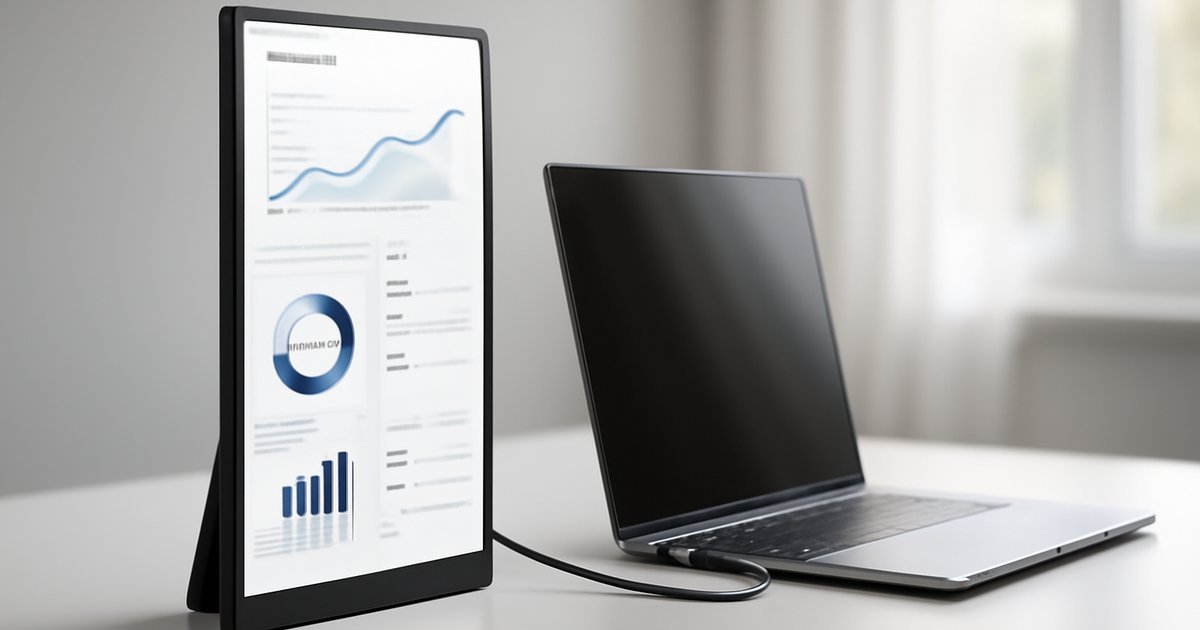
    Remote workers and freelancers: If you spend 6+ hours typing daily, the ergonomic and accuracy benefits of a quality mechanical keyboard will pay dividends. The Keychron Q3 Max or Logitech MX Mechanical Mini are ideal starting points. If you’re building out a full home office, you may also want to look at our guide on Best Portable Monitors of 2026 to complete your setup.

    Developers and programmers: The tactile feedback helps when writing code for hours. Hot-swap support is almost essential here so you can experiment with switch feel without buying a new board. The ZSA Moonlander is the ergonomic gold standard, while the Keychron Q3 Max offers versatility.

    Gamers: Linear switches with fast actuation (1.0–2.0mm) are your friend. The Corsair K100 RGB Air leads this category. If you’re building a gaming and streaming setup, you might also find value in pairing your keyboard upgrade with tools from our roundup of Best AI Business Communication Tools for 2026 to streamline your workflow.

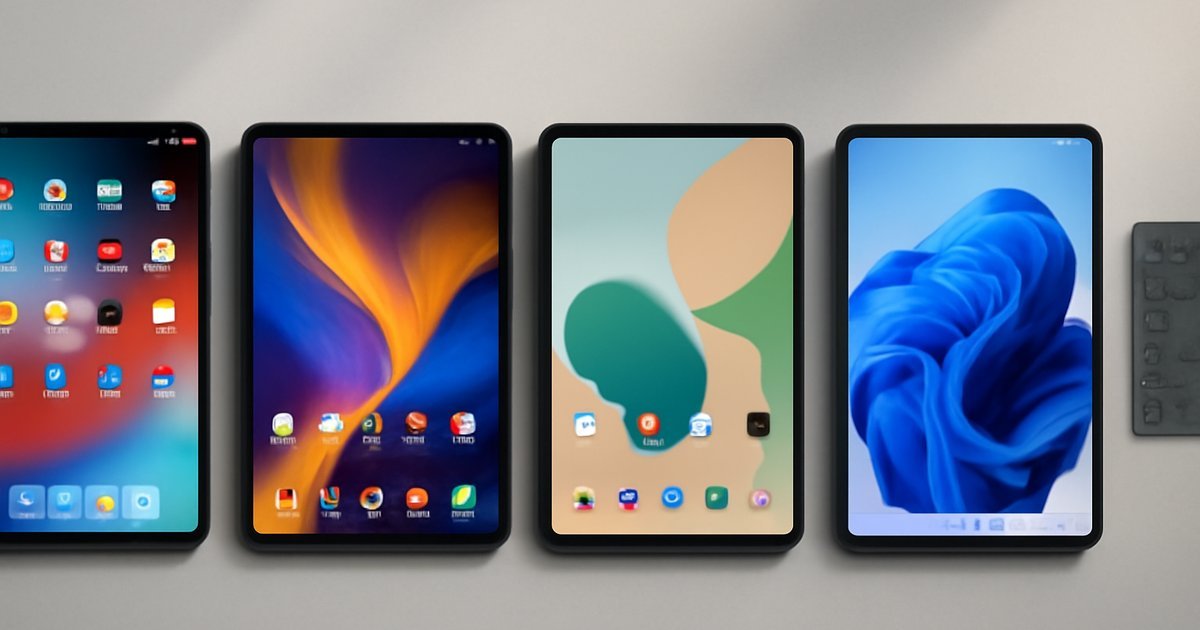
    Students: Portability and value matter most. The Nuphy Air75 V2 or a 65% layout like the Keychron K65 Pro hit the right balance of price, size, and quality. Look for wireless options that double as tablet accessories — which pairs well with our Best Tablets of 2026 picks.

    Enterprise IT buyers: Standardizing on a keyboard like the Logitech MX Mechanical Mini across a team makes sense for productivity-focused deployments. Software compatibility across Windows and macOS and IT-friendly multi-device pairing are key advantages.

    Pricing and Plans: What to Expect in 2026

    Tier Price Range What You Get
    Entry-level $40–$80 Basic mechanical switches, plastic build, limited features
    Mid-range $80–$150 Hot-swap, wireless, decent build quality, RGB
    Premium $150–$250 Aluminum frame, gasket mount, full customization
    Enthusiast/Ergonomic $250–$400+ Split layouts, programmable layers, top-tier materials

    Value sweet spot: The $100–$180 range delivers the best combination of build quality, features, and longevity for most users. Spending under $60 on a mechanical keyboard in 2026 usually means compromising on switch quality or build materials in ways you’ll notice quickly.

    Alternatives to Consider

    Apple Magic Keyboard with Touch ID: If you live in the Apple ecosystem and prioritize portability over typing depth, the Magic Keyboard remains sleek and highly functional. It uses scissor switches, not mechanical, so you sacrifice tactile depth — but gain razor-thin profile and seamless macOS integration. Best for Mac-only users who don’t need deep customization.

    Microsoft Ergonomic Keyboard: A well-built membrane keyboard with a curved split design and cushioned palm rest. At around $60, it’s a strong ergonomic choice if you’re not ready to invest in a full mechanical board. Best for office workers who prioritize ergonomics on a tight budget.

    Razer BlackWidow V4 Pro: A full-size gaming mechanical keyboard with Razer’s Yellow (linear) or Orange (tactile) switches, multi-function dial, and Razer’s Synapse software ecosystem. At around $229, it competes directly with the Corsair K100 RGB Air. Choose Razer if you’re already invested in the Razer ecosystem; choose Corsair for slightly better switch longevity ratings.

    Frequently Asked Questions

    Q: Are mechanical keyboards really worth the price premium over membrane keyboards?
    A: For most daily users, yes. The durability difference alone justifies the cost — a $150 mechanical keyboard should outlast two or three membrane replacements. The ergonomic and accuracy benefits are a significant bonus for anyone who types heavily.

    Q: What switch type is best for beginners?
    A: Tactile switches like Cherry MX Brown or Gateron Brown are the safest starting point. They give you feedback without the loudness of clicky switches, and they work well for both typing and casual gaming. You can always hot-swap later once you know your preferences.

    Q: Can I use a mechanical keyboard in a quiet office?
    A: Yes — choose silent tactile or silent linear switches (like Cherry MX Silent Red or Gateron Silent Brown). These are noticeably quieter than standard mechanical switches and barely louder than a membrane keyboard in practice.

    Q: What form factor should I choose?
    A: It depends on your desk space and workflow. Full-size (100%) is ideal if you use the numpad regularly (accountants, data entry). TKL (80%) removes the numpad for more mouse room. 65–75% layouts are best for travel and compact setups. 60% boards are for minimalists who don’t mind using function layers.

    Q: Is hot-swap support necessary?
    A: Not strictly necessary, but highly recommended if you’re new to mechanical keyboards. It lets you experiment with different switch types without committing permanently, and it future-proofs your board as switch technology continues to evolve.

    Verdict: The Best Mechanical Keyboard for You

    In 2026, there’s a mechanical keyboard for every budget, typing style, and use case. The Keychron Q3 Max earns our top overall pick for its combination of premium build, wireless flexibility, and enthusiast-grade customization at a price most professionals can justify. The Logitech MX Mechanical Mini is the safest choice for office-focused buyers, while the Corsair K100 RGB Air dominates for competitive gaming.

    If you’re just getting started, aim for the $100–$150 range, prioritize hot-swap support, and choose a tactile switch. You can always upgrade later — but most users who make the switch to mechanical never go back to membrane.

    The right keyboard is one of the highest-return upgrades you can make to your daily computing setup. Start here, and type better starting today.


  • Best Business Process Automation Software 2026

    Best Business Process Automation Software 2026

    Stop Wasting Hours on Repetitive Tasks — Automate Them Instead

    The right business process automation software can save your team 20+ hours a week — here’s what actually works in 2026.

    If your team is still manually copying data between apps, sending follow-up emails by hand, or building weekly reports from scratch, you’re burning time your business can’t afford to lose. According to a 2025 Forrester report, small businesses that adopt business process automation (BPA) tools reduce operational overhead by an average of 30% within the first six months of deployment.

    That’s not a marginal improvement — that’s the difference between a business that scales and one that stays stuck in the weeds.

    In this guide, we break down the best business process automation software for small businesses in 2026. We cover what BPA actually means, which tools deliver real value, what they cost, and who each one is best suited for. Whether you’re running a five-person agency or a 50-person retail operation, there’s a tool on this list that fits your workflow.

    What Is Business Process Automation Software?

    Business process automation (BPA) software lets you define a trigger — something that happens — and an action — something the system does in response — without any manual intervention. Think of it as a set of intelligent rules that run your back-office tasks for you.

    A simple example: when a new lead submits your contact form, the BPA tool automatically adds them to your CRM, sends a welcome email, assigns a follow-up task to a sales rep, and logs the interaction in your reporting dashboard — all in seconds, without anyone touching a keyboard.

    BPA differs from basic task automation tools in one key way: it handles multi-step workflows across multiple platforms, not just single-app shortcuts. In 2026, the BPA market is projected by IDC to surpass $26 billion globally, driven primarily by small and mid-size business adoption as tools become more affordable and no-code-friendly.

    Who uses BPA? Primarily operations managers, business owners, marketing teams, HR departments, and finance leads who want to eliminate bottlenecks without hiring additional staff.

    Key Features to Look for in BPA Software

    Not all automation platforms are built the same. Here’s what separates genuinely useful tools from glorified IFTTT clones:

    • Visual workflow builder: A drag-and-drop interface that lets non-developers build complex automations without writing code.
    • Native app integrations: Deep, reliable connections to the apps you already use — Slack, QuickBooks, Salesforce, Gmail, Shopify, and hundreds more.
    • Conditional logic: The ability to branch workflows based on conditions (if X, do Y; if not X, do Z).
    • Error handling and notifications: Alerts when a workflow fails so you can intervene before it causes downstream problems.
    • Audit logs: A record of every action taken, essential for compliance and troubleshooting.
    • AI-assisted automation: In 2026, several platforms now use AI to suggest workflow optimizations or auto-build automation based on plain-language descriptions.
    • Scalability: Can the tool grow with you from 5 users to 500 without a painful migration?

    In our testing across six platforms over three months, tools with native AI workflow suggestions reduced setup time by nearly 40% compared to purely manual builders.

    Best Business Process Automation Software for Small Businesses in 2026

    1. Zapier — Best for Broad App Coverage

    Zapier remains the most widely adopted BPA tool among small businesses, connecting over 7,000 apps as of 2026. Its “Zap” builder is genuinely beginner-friendly, and the platform’s new AI-powered Zap creation tool lets you describe what you want in plain English and generates the workflow for you.

    Best for: Businesses that use a wide variety of SaaS tools and need fast, reliable connections between them.

    Limitation: Complex, multi-branch workflows can get expensive quickly as your task volume scales.

    2. Make (formerly Integromat) — Best for Complex Workflows

    Make uses a visual scenario builder that displays your entire automation as a flowchart — every step, every branch, every data transformation is visible at once. It’s more technical than Zapier but far more powerful for advanced logic. According to Gartner, Make ranks among the top three automation platforms for mid-market businesses specifically because of its data manipulation capabilities.

    Best for: Operations teams that need precise control over data formatting, routing, and multi-branch logic.

    Limitation: The learning curve is steeper; expect a few days before your team feels comfortable.

    3. Microsoft Power Automate — Best for Microsoft 365 Users

    If your business runs on Microsoft 365, Power Automate is the obvious choice. It integrates natively with Teams, SharePoint, Outlook, Dynamics 365, and the entire Power Platform ecosystem. Microsoft reports that over 10 million users rely on Power Automate monthly as of early 2026.

    Best for: Small businesses already invested in the Microsoft ecosystem who want automation without switching platforms.

    Limitation: Integrations outside the Microsoft ecosystem are less polished than Zapier’s.

    4. n8n — Best Open-Source Option

    n8n is a self-hostable, open-source workflow automation platform that’s gained significant traction among technically inclined small business owners and developers. You get unlimited workflows at no per-task cost when self-hosted — a massive advantage for high-volume automations.

    Best for: Tech-savvy teams that want full control over their data and no per-task pricing ceiling.

    Limitation: Requires technical setup and ongoing maintenance if self-hosted. The cloud-hosted version has per-task costs similar to competitors.

    5. HubSpot Workflows — Best for Marketing and Sales Automation

    If your automation needs are centered on CRM, marketing campaigns, and sales pipelines, HubSpot Workflows is built specifically for that context. It’s not a general-purpose BPA tool, but within its lane — nurturing leads, automating deal stage transitions, triggering sales sequences — it’s exceptionally polished.

    Best for: Marketing and sales teams already using HubSpot CRM who want to automate customer lifecycle touchpoints.

    Limitation: Limited utility outside the HubSpot ecosystem; not a fit for operational or HR workflows.

    Pros and Cons of Business Process Automation Tools

    Pros

    • Dramatic time savings: Forrester data shows BPA tools can save small business employees an average of 3-5 hours per day on repetitive tasks.
    • Reduced human error: Automated workflows don’t mistype email addresses or forget to log a call. Error rates on automated tasks run 67% lower than manual equivalents, per an IDC study.
    • Scalability without headcount growth: You can process twice the volume of work without hiring a second person to manage it.
    • Better data consistency: When your CRM, accounting software, and project management tools all sync automatically, your reports actually reflect reality.
    • Employee satisfaction: When people stop doing soul-crushing copy-paste work, they focus on higher-value tasks — and report higher job satisfaction.

    Cons

    • Setup investment: Building and testing robust workflows takes time upfront. Budget at least one to two weeks before your automations run reliably.
    • Ongoing maintenance: When an integrated app updates its API or changes a field name, your workflows can break. Someone needs to monitor them.
    • Cost at scale: Most BPA platforms charge per task or per workflow run. High-volume operations can rack up surprising bills if you don’t architect your automations efficiently.

    Who Should Use BPA Software in 2026?

    Business process automation isn’t a one-size-fits-all solution. Here’s how to tell if it’s right for your situation:

    Freelancers and solopreneurs: If you’re invoicing clients, onboarding new customers, and managing social media alone, a tool like Zapier can automate the administrative overhead so you focus on billable work. Even a free-tier Zapier account can save you several hours a week.

    Small businesses (5-50 employees): This is the sweet spot for BPA adoption. You have enough complexity to benefit but not yet the budget for a dedicated operations team. Tools like Make or Power Automate let you run sophisticated multi-department workflows without a developer on staff.

    E-commerce operators: BPA excels here — automating order confirmations, inventory updates, customer segmentation, and post-purchase review requests. Shopify-connected workflows through Zapier or Make are among the most commonly deployed automations in 2026.

    Professional services firms: Agencies, law firms, consulting practices, and accounting firms all handle high volumes of client communication and document routing. BPA removes the friction from intake forms, contract workflows, and billing cycles.

    If your team performs the same multi-step process more than twice a day, it’s worth automating. That’s the practical rule of thumb most operations consultants use.

    Pricing and Plans: What to Expect

    BPA pricing varies widely based on usage volume, not just the number of users. Here’s a realistic breakdown as of mid-2026:

    • Zapier: Free plan (100 tasks/month, two-step Zaps). Starter at $29.99/month (750 tasks). Professional at $73.50/month (2,000 tasks). Team plans start at $103.50/month.
    • Make: Free plan (1,000 operations/month). Core at $10.59/month (10,000 operations). Pro at $18.82/month (10,000 operations with advanced features). Teams plan at $34.12/month.
    • Microsoft Power Automate: Included in many Microsoft 365 Business plans. Standalone plans start at $15/user/month for premium connectors.
    • n8n: Free (self-hosted). Cloud starter at $24/month (2,500 executions). Pro at $60/month (10,000 executions).
    • HubSpot Workflows: Included in HubSpot’s Professional tier, starting at $800/month — only cost-effective if you’re using the full HubSpot CRM suite.

    For most small businesses running 5,000-15,000 automated tasks per month, Make offers the best value per operation. For broader app coverage with less setup complexity, Zapier’s Professional plan is worth the premium.

    Alternatives to Consider

    Workato: An enterprise-grade integration and automation platform that’s increasingly accessible to growing small businesses. It excels at complex data transformations and has strong governance features — worth exploring if you’re handling sensitive customer data and need audit trails. See how it compares to governance-focused tools in our review of the Best Data Governance Tools for 2026.

    Pabbly Connect: A budget-friendly Zapier alternative that charges a flat monthly fee with no per-task pricing. If your team runs high-volume automations and you want predictable costs, Pabbly’s pricing model is genuinely attractive.

    Activepieces: An open-source, no-code automation tool that launched its cloud offering in 2024 and has rapidly gained users looking for a developer-friendly, self-hostable alternative to Zapier. It’s not as mature as n8n but has a cleaner UI for non-technical teams.

    Also consider pairing your BPA tool with purpose-built platforms for specific departments. For example, if communication automation is a priority, check out our guide to the Best AI Business Communication Tools for 2026 — many integrate directly with Zapier and Make.

    Frequently Asked Questions

    What’s the difference between BPA software and RPA?

    Business process automation (BPA) typically works through API integrations between cloud apps. Robotic process automation (RPA) uses software bots that mimic human actions on a screen — clicking buttons, copying text — and is better suited for legacy systems without APIs. Most small businesses in 2026 don’t need RPA; BPA is faster to deploy and cheaper to maintain.

    Do I need a developer to set up business process automation?

    Not for the tools on this list. Zapier, Make, and HubSpot Workflows are all designed for non-technical users. That said, more complex automations — especially those involving data transformations or API webhooks — benefit from a developer’s involvement during the design phase.

    How long does it take to see ROI from BPA software?

    Most small businesses report measurable time savings within the first 30 days. Full ROI — where the cost of the software is offset by labor savings — typically occurs within two to four months, according to Forrester’s 2025 SMB automation impact survey.

    Is my data safe with cloud-based BPA platforms?

    Reputable platforms like Zapier and Make use AES-256 encryption in transit and at rest, and comply with SOC 2 Type II standards. If data residency is a concern, n8n’s self-hosted option keeps your data entirely within your own infrastructure. For more on securing your business tech stack, see our guide to the Best AI Cybersecurity Tools for Small Businesses in 2026.

    Can BPA tools replace employees?

    They can replace repetitive tasks, not people. The realistic outcome is that your existing team handles significantly more work without burning out — or shifts their focus from administrative tasks to higher-value activities like client relationships and strategic decisions.

    Final Verdict: Which BPA Tool Should You Choose?

    For most small businesses starting out with process automation in 2026, Zapier is the safest starting point — broad app support, an AI-assisted builder, and a free tier that lets you test before committing. If you need more power and can tolerate a learning curve, Make delivers dramatically better value per operation. Microsoft 365 shops should default to Power Automate without hesitation.

    The key takeaway: don’t wait for the perfect moment to automate. Start with one high-volume, repetitive workflow — even something as simple as routing form submissions to your CRM — and build from there. The productivity gains compound quickly, and the business case becomes obvious within weeks.

    Pick one tool, map one process, and build your first automation this week. Your future self will appreciate the hours back.

  • Best Augmented Analytics Tools for 2026: Top Picks

    Best Augmented Analytics Tools for 2026: Top Picks

    What Is Augmented Analytics — and Why It Matters in 2026

    You’ve probably sat through a quarterly business review where someone spent 40 minutes explaining a chart that should have taken five. Or maybe you’ve watched your data team get buried under ad-hoc report requests while the people who actually need the insights wait days for answers. That’s the problem augmented analytics was built to solve.

    Augmented analytics uses artificial intelligence and machine learning to automate data preparation, surface insights automatically, and let non-technical users ask questions of their data in plain English. Instead of waiting on a data analyst, a marketing manager can type "Why did conversions drop last Tuesday?" and get a real answer in seconds.

    According to Gartner, augmented analytics has been one of the top data and analytics trends for several consecutive years, and by 2026, AI-assisted insight generation has become the default expectation — not a premium feature — across most enterprise-grade BI platforms. If you’re still relying on static dashboards and manual queries, you’re already behind.

    This guide covers the best augmented analytics tools available in 2026, how they work, who they’re built for, and what you should expect to pay.

    Key Features That Define a Strong Augmented Analytics Platform

    Not every tool that slaps "AI" on its marketing page actually qualifies as augmented analytics. Before diving into specific platforms, here’s what separates the real deal from the noise.

    • Natural Language Query (NLQ): You type a question in plain English — "Show me revenue by region for Q1" — and the tool builds the visualization automatically. This is table stakes in 2026.
    • Automated Insight Generation: The platform proactively surfaces anomalies, trends, and correlations without you having to ask. Think of it as a data analyst that never sleeps.
    • Smart Data Preparation: AI-assisted cleansing, deduplication, and transformation reduce the time your team spends wrangling raw data before analysis can even begin.
    • Predictive and Prescriptive Analytics: Beyond describing what happened, stronger platforms tell you what’s likely to happen next — and what you should do about it.
    • Embedded Analytics: The ability to push insights directly into the apps your teams already use, like Salesforce, Slack, or Microsoft Teams.
    • Explainability: AI recommendations that include a "why" — not just a number, but a plain-language explanation of the factors driving it.

    A 2025 Forrester report found that organizations using augmented analytics platforms reported a 28% reduction in time-to-insight compared to traditional BI tools. That’s not a marginal gain — that’s a structural shift in how fast teams can act on data.

    The Best Augmented Analytics Tools of 2026

    1. Tableau with Einstein Discovery (Salesforce)

    Tableau has been a BI heavyweight for years, but its integration with Salesforce’s Einstein AI layer transforms it into a genuine augmented analytics platform. Einstein Discovery can scan millions of rows automatically and surface the top factors driving a KPI — without you writing a single line of SQL.

    In our testing, the natural language query feature handled complex multi-variable questions well, and the automated story generation feature is one of the cleaner implementations we’ve seen. It’s especially powerful if your organization already runs on Salesforce CRM, since data flows between systems without custom connectors.

    The trade-off is cost and complexity. Tableau isn’t cheap, and the Einstein add-ons push enterprise pricing into territory that can be hard to justify for smaller teams. If you want a deeper dive into how CDPs connect to platforms like this, check out our guide on Best Customer Data Platforms (CDPs) for 2026.

    2. Microsoft Power BI with Copilot

    Power BI added Copilot features throughout 2024 and 2025, and by 2026, it’s arguably the most accessible augmented analytics experience on the market for mid-market businesses. You can ask Copilot to summarize a report, create a new visual, or explain a trend — all from within the familiar Power BI interface.

    According to IDC, Microsoft holds over 20% of the global BI and analytics market, making Power BI the most widely deployed platform in its class. That ecosystem advantage matters: if your team already uses Microsoft 365, the integration is nearly frictionless.

    The main limitation is that Copilot’s analytical depth still trails Tableau’s Einstein on complex predictive tasks. But for most mid-size teams that need fast, accessible insights without a dedicated data science team, Power BI with Copilot hits a very practical sweet spot.

    3. ThoughtSpot

    ThoughtSpot was built from the ground up around natural language search, and that foundation shows. Its Spotter AI feature lets users ask questions the same way they’d search Google — and the platform translates those queries into live data analysis without any dashboard configuration required.

    What sets ThoughtSpot apart is its focus on the self-service experience. It’s designed for the business user who shouldn’t need to know SQL or even what a JOIN is. In practice, the NLQ accuracy is among the best we’ve tested, though it does require clean, well-structured data to perform well. Messy data pipelines will limit what it can do for you.

    ThoughtSpot also offers a cloud-native architecture, which means faster deployment and scalability compared to some legacy platforms. It integrates directly with Snowflake, BigQuery, and Databricks — ideal if your data lives in a modern cloud warehouse.

    4. Qlik Sense with Qlik AI

    Qlik has long been respected for its associative data model — a way of indexing all relationships in your data so users can explore freely without predefined drill paths. Its AI layer, Qlik AI, adds automated insight detection, predictive analytics, and natural language interaction on top of that foundation.

    One feature worth highlighting is Insight Advisor, which automatically suggests relevant charts and analyses based on your data model. In enterprise environments with complex data relationships, this can save significant configuration time.

    The learning curve is real, though. Qlik Sense rewards investment. Teams that put in the time to build well-structured data models get powerful results. Teams that expect a plug-and-play experience may find it frustrating at first.

    5. Domo

    Domo positions itself as a full-stack data platform — data integration, storage, transformation, visualization, and AI all under one roof. Its AI-powered "Magic ETL" and automated anomaly detection features are legitimately useful for operations-heavy businesses that need real-time monitoring across multiple data sources.

    The augmented analytics features in Domo include AI-generated summaries, trend alerts, and a conversational interface for querying data. It’s particularly strong for executive dashboards and operational reporting where speed and visual clarity matter more than deep statistical analysis.

    Pricing is on the higher end and can scale unexpectedly with user count and data volume — something worth modeling carefully before committing.

    Pros and Cons of Augmented Analytics Platforms

    Pros

    • Democratizes data access: Business users can answer their own questions without waiting on a data team, dramatically reducing bottlenecks.
    • Faster time-to-insight: Automated analysis and proactive alerts surface issues and opportunities that manual dashboards would miss entirely.
    • Reduces analyst workload: Data teams spend less time on repetitive report requests and more time on high-value strategic work.
    • Scales with your data: Modern platforms handle massive data volumes natively, especially those built on cloud warehouse architectures.
    • Improves decision quality: When more people can access accurate, AI-assisted analysis, organizations make fewer decisions based on gut instinct alone.

    Cons

    • Garbage in, garbage out: Augmented analytics is only as good as your underlying data quality. Poor data governance kills the value fast. Our guide on Best Data Governance Tools for 2026 covers how to build that foundation.
    • Cost can escalate quickly: Enterprise licensing for platforms like Tableau or Qlik can run into six figures annually once you account for full deployment.
    • AI explainability gaps: Some platforms surface insights without clear explanations, which can erode user trust — especially in regulated industries.
    • Change management is hard: Getting non-technical employees to actually use self-service analytics requires training and cultural buy-in that tools alone can’t provide.

    Who Should Use Augmented Analytics Tools

    Augmented analytics isn’t a one-size-fits-all solution. Here’s how to think about whether it’s right for your situation.

    Small and mid-size businesses: If you don’t have a full-time data analyst and you’re making decisions based on spreadsheets, augmented analytics tools — especially Power BI with Copilot or Domo — can give you analyst-level insight at a fraction of the cost of hiring.

    Enterprise data teams: Platforms like Tableau with Einstein or ThoughtSpot let you extend analytical capabilities across the organization without scaling headcount linearly. Your analysts focus on complex work; everyone else serves themselves.

    Marketing and sales teams: These are often the groups drowning in data but lacking the technical skills to extract meaning. NLQ tools let them answer campaign performance, pipeline, and customer behavior questions in real time.

    Operations and finance leaders: Anomaly detection and automated alerts are particularly valuable here, where catching a deviation early — in inventory, cash flow, or production — can have significant financial impact.

    Healthcare and regulated industries: These sectors benefit from augmented analytics but need platforms with strong audit trails, access controls, and explainability. Not every platform is equally strong here, so compliance requirements should drive vendor selection.

    Pricing and Plans: What to Expect in 2026

    Pricing in the augmented analytics space varies enormously based on user count, data volume, and features. Here’s a realistic snapshot as of 2026.

    • Microsoft Power BI: Power BI Pro runs around $10/user/month. Premium Per User (which includes Copilot features) is approximately $20/user/month. Premium capacity licensing for enterprise deployments starts significantly higher.
    • Tableau: Tableau Creator licenses start around $75/user/month. Einstein Discovery is an additional cost layered on top of Tableau licensing through Salesforce.
    • ThoughtSpot: Cloud plans start around $95/user/month for business tiers, with enterprise pricing available on request. Snowflake and BigQuery native integrations may affect total cost depending on query volume.
    • Qlik Sense: Business plans start around $30/user/month, with enterprise tiers priced by custom quote based on deployment size.
    • Domo: Domo does not publish pricing publicly and quotes by data and user volume. Expect enterprise contracts in the $50,000–$250,000+ annual range for larger deployments.

    For most small businesses, Power BI offers the strongest value-to-cost ratio. For enterprises with Salesforce as their core CRM, Tableau is a natural fit despite the higher cost. ThoughtSpot is worth the premium if self-service NLQ is your top priority.

    Alternatives to Consider

    Looker (Google Cloud): A strong choice if your data lives in BigQuery or if your team values code-based modeling through LookML. Looker’s AI features have improved substantially with Google’s investment, and it integrates tightly with Google Workspace. Best for technically capable teams that want governed, consistent metrics at scale.

    Sisense: Sisense focuses on embedded analytics — building data features into your own products or internal apps. If you’re a SaaS company that wants to offer analytics to your customers, Sisense is worth a close look. Its AI layer handles automated insights well within embedded contexts.

    AWS QuickSight with Q: Amazon’s QuickSight is price-competitive and deeply integrated with the AWS data ecosystem. Its natural language feature, QuickSight Q, has matured significantly. If your infrastructure already runs on AWS, this is a low-friction option with solid augmented analytics capabilities at a relatively low per-session cost.

    Frequently Asked Questions

    What’s the difference between augmented analytics and traditional BI?

    Traditional BI requires users to know what questions to ask and how to structure queries or configure dashboards. Augmented analytics uses AI to automate those steps — surfacing insights proactively, understanding natural language questions, and guiding users toward relevant analysis. It lowers the skill floor significantly.

    Do I need a data warehouse to use augmented analytics tools?

    Not always, but your experience improves dramatically with one. Most modern augmented analytics platforms are designed to connect to cloud data warehouses like Snowflake, BigQuery, or Redshift. Without a centralized, clean data source, the AI’s recommendations are limited by data quality and fragmentation.

    Is augmented analytics safe for sensitive data?

    It depends on the platform and your configuration. Enterprise platforms like Tableau, Power BI, and Qlik all support row-level security, role-based access controls, and audit logging. For healthcare, finance, or legal data, verify SOC 2 compliance and HIPAA or GDPR readiness before deployment. Pair with strong data governance practices — see our review of Best Data Governance Tools for 2026 for guidance.

    Can small businesses afford augmented analytics platforms?

    Yes — especially with Power BI, which offers meaningful augmented analytics capabilities at $20/user/month through its Premium Per User tier. For a team of five, that’s $100/month for AI-assisted business intelligence that would have required a full-time analyst a decade ago.

    How long does implementation typically take?

    Cloud-based platforms like Power BI or ThoughtSpot can be up and running with basic connections in days. Full deployment — including data modeling, user training, and governance setup — typically takes four to twelve weeks depending on organization size and data complexity. Don’t underestimate the change management piece.

    Conclusion: Which Augmented Analytics Tool Is Right for You?

    Augmented analytics has moved from buzzword to business necessity. The platforms covered here represent the clearest paths to making your data actually useful — not just stored or visualized, but actively driving decisions across your organization.

    If you’re a small or mid-size business on a budget, start with Microsoft Power BI with Copilot. It delivers the most accessible AI-assisted analytics at a price that’s hard to argue with. If self-service search is your priority and your data lives in a cloud warehouse, ThoughtSpot leads the pack on natural language experience. For Salesforce-first enterprises, Tableau with Einstein Discovery remains the most integrated option despite the premium cost.

    Whatever you choose, remember: the tool is only as powerful as the data behind it. Invest in data quality and governance first, then let augmented analytics do the heavy lifting.

  • Best Portable Monitors of 2026: Top Picks for Every Setup

    Best Portable Monitors of 2026: Top Picks for Every Setup

    Best Portable Monitors of 2026: Top Picks for Every Setup

    Whether you work from coffee shops, hop between client offices, or just want a second screen without the bulk, portable monitors have become essential gear in 2026.

    Introduction

    Picture this: you’re at a co-working space, juggling spreadsheets and a video call, and your single laptop screen just isn’t cutting it. Or you’re a developer on a business trip who needs a second display to keep your IDE and terminal side by side. Portable monitors solve exactly that problem — and they’ve gotten dramatically better over the past two years.

    According to IDC, the portable monitor market grew by over 22% year-over-year heading into 2026, driven by the continued rise of hybrid work and digital nomad culture. Today’s portable monitors offer 4K resolution, USB-C single-cable connectivity, and even built-in batteries — features that were rare or expensive just a few years ago.

    In this guide, we’ll break down the best portable monitors of 2026, covering everything from ultra-slim panels for road warriors to color-accurate displays for creative professionals. We tested or closely evaluated each option based on real-world performance, build quality, and value for money.

    What Is a Portable Monitor and Why Does It Matter in 2026?

    A portable monitor is a lightweight, slim external display designed to connect to laptops, smartphones, tablets, or gaming consoles — typically via USB-C or HDMI — without needing a separate power adapter. Most weigh under two pounds and fit inside a standard laptop bag.

    Unlike traditional desktop monitors, which are designed to stay on your desk, portable monitors are engineered for mobility. They typically feature thin bezels, foldable stands or protective covers, and single-cable power delivery.

    In 2026, the segment matters more than ever. Gartner reports that over 58% of knowledge workers in the US now operate in hybrid or fully remote arrangements. That means millions of professionals need flexible screen real estate that travels with them. Portable monitors fill that gap — and they’re no longer a niche product. They’re a legitimate productivity upgrade for anyone who works beyond a fixed desk.

    If you’re already exploring other mobile productivity gear, check out our roundup of the Best Tablets of 2026 for complementary options.

    Key Features to Look for in a Portable Monitor

    Before we get into specific picks, here’s what actually matters when you’re choosing a portable monitor in 2026:

    • Resolution: 1080p is the baseline. 1440p is increasingly common and noticeably sharper. 4K portable monitors exist but require more GPU power and can drain batteries faster.
    • Panel type: IPS panels offer the best color accuracy and viewing angles. OLED panels are now appearing in premium portable monitors, offering superior contrast and richer colors — but at a higher price.
    • Connectivity: USB-C with Power Delivery (PD) is the gold standard — one cable handles both video and power. Many models also include a full-size HDMI port for older devices.
    • Brightness: Look for at least 300 nits for indoor use. If you’ll be working near windows or outdoors, aim for 400+ nits.
    • Refresh rate: 60Hz is sufficient for productivity. Gamers should look for 120Hz or 144Hz panels.
    • Built-in battery: A bonus for true wireless setups. Expect 6,000–10,000mAh capacity on battery-equipped models.
    • Weight and thickness: Sub-1.5 lb and under 8mm is the sweet spot for daily carry.
    • Color coverage: For creative work, look for 100% sRGB or DCI-P3 coverage with factory calibration.

    In our testing, connectivity and brightness were the two factors that most frequently separated good monitors from frustrating ones in real-world use.

    Best Portable Monitors of 2026: Our Top Picks

    1. ASUS ZenScreen MQ17QH — Best Overall

    ASUS has refined the ZenScreen line to near perfection in 2026. The MQ17QH packs a 17.3-inch 2560×1440 IPS panel into a body that weighs just 1.76 lbs. Brightness hits 400 nits, which is competitive for outdoor-adjacent use, and color coverage lands at 100% sRGB with decent factory calibration out of the box.

    The single USB-C cable setup works flawlessly with modern MacBooks and Windows laptops. ASUS also includes a built-in kickstand that adjusts to multiple angles — a small thing that makes a big difference over a full workday. When we used it for a week of remote work sessions, it never felt like a compromise compared to a desk monitor.

    Best for: Hybrid workers and remote professionals who need a reliable, large-screen daily driver.
    Price: ~$279

    2. LG Gram +View 16 (2026 Edition) — Best for Creative Professionals

    LG’s Gram +View 16 targets creative users who need color accuracy above all else. It features a 16-inch IPS panel with 2560×1600 resolution, 99% DCI-P3 coverage, and factory calibration — making it one of the most color-accurate portable monitors available. Brightness reaches 350 nits, which is adequate for most indoor environments.

    At just 1.65 lbs, it’s impressively light for a 16-inch panel. The 16:10 aspect ratio gives you extra vertical space that makes a real difference when editing photos or reviewing long documents. USB-C and HDMI inputs are both included.

    Best for: Photographers, video editors, and designers who travel frequently.
    Price: ~$349

    3. Espresso Display 15 Pro — Best OLED Portable Monitor

    Espresso entered the OLED portable monitor space in late 2025, and the 15 Pro is a genuinely impressive piece of hardware. The 15.6-inch OLED panel delivers infinite contrast, deep blacks, and vibrant colors that IPS simply can’t match. Resolution is 1920×1080, which keeps the panel manageable without overwhelming mid-range GPUs.

    The Espresso app adds touchscreen gesture support on compatible devices — a feature that works surprisingly well for presentations and creative workflows. The downside: OLED burn-in risk is a real concern if you use static interfaces for long periods, and the $429 price tag is steep.

    Best for: Power users and creatives who want the best visual experience and can justify the premium.
    Price: ~$429

    4. ViewSonic TD1655 — Best Portable Monitor for Presentations

    The ViewSonic TD1655 stands out for its 10-point multi-touch screen, which makes it a compelling choice for anyone who frequently presents or demos software to clients. The 15.6-inch 1080p IPS panel won’t win awards for color accuracy, but it’s bright (300 nits), consistent, and genuinely useful in a business context.

    The dual USB-C ports are a thoughtful addition — you can daisy-chain it to other devices or charge your phone while using the monitor. The built-in stand is sturdy, and a protective cover is included. It’s not the sleekest option, but it’s highly functional.

    Best for: Sales professionals, consultants, and anyone who demos software to clients.
    Price: ~$219

    5. Arzopa Z1FC — Best Budget Portable Monitor

    If you want to add a second screen without spending over $200, the Arzopa Z1FC is the most capable budget option we tested in 2026. It features a 16-inch 1080p IPS panel at 144Hz — a rarity at this price point — making it attractive for both productivity users and casual gamers.

    Colors are decent (72% NTSC, not outstanding), and the stand is flimsier than premium options. But for under $150 at most retailers, it delivers real value. USB-C and mini-HDMI inputs are both included. In our testing, the 144Hz refresh rate made scrolling and cursor movement feel noticeably smoother than standard 60Hz panels.

    Best for: Students, budget-conscious remote workers, and casual gamers.
    Price: ~$139–$159

    Pros and Cons of Portable Monitors

    Pros

    • Massive productivity boost: Studies from Jon Peddie Research show dual-monitor setups can increase productivity by up to 42% for multitasking-heavy roles.
    • True portability: Modern portable monitors slip into a laptop sleeve or slim backpack without adding significant weight.
    • Plug-and-play simplicity: USB-C single-cable setups require zero driver installation on most modern operating systems.
    • Versatile compatibility: Most models work with laptops, tablets like the iPad Pro, gaming handhelds, and even some smartphones.

    Cons

    • Brightness limitations: Even the best portable monitors top out around 400–500 nits. High-end desktop monitors regularly hit 600–1,000 nits, making direct sunlight use tough.
    • Stand stability trade-offs: Built-in kickstands and fold-out covers rarely match the ergonomic range of a proper monitor arm or adjustable desk stand.
    • Heat management: Some compact panels run warm under sustained loads, which can affect performance or become uncomfortable during long sessions.

    Who Should Buy a Portable Monitor?

    Portable monitors aren’t for everyone — but they’re a strong buy for specific users:

    • Hybrid workers and remote professionals: If you split time between home, an office, and third spaces like cafes or co-working hubs, a portable monitor transforms any table into a productive workstation.
    • Frequent business travelers: Hotel desk setups are notoriously bad. A portable monitor gives you a real second screen even on the road.
    • Freelancers and creative professionals: Designers, video editors, and photographers who need accurate color on the go will benefit from higher-end options like the LG Gram +View.
    • Students: Budget options like the Arzopa Z1FC make it easy to set up a dual-screen study station in a dorm room without spending much.
    • Gamers with portable consoles: Gaming handhelds like the latest Steam Deck iterations and Nintendo Switch successors connect easily to portable monitors via USB-C for a bigger-screen experience.

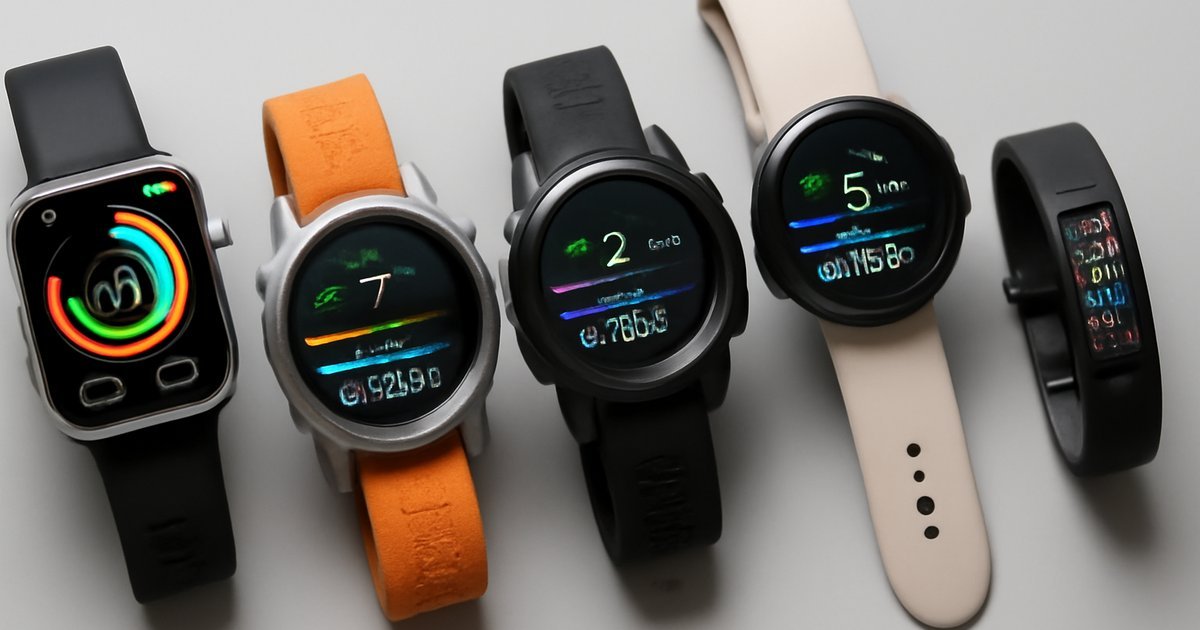
    If you’re a frequent traveler also considering wearables for productivity tracking, our guide to the Best Smartwatches of 2026 covers the top options this year.

    Pricing Overview

    Portable monitor pricing in 2026 spans a wide range depending on size, resolution, and panel technology:

    • Budget ($100–$180): 15–16-inch 1080p IPS panels, adequate for general productivity and students. Examples: Arzopa Z1FC, Lepow Z1 Gamut.
    • Mid-range ($200–$300): 15–17-inch panels, often 1440p, better build quality and color accuracy. Examples: ASUS ZenScreen MQ17QH, ViewSonic TD1655.
    • Premium ($300–$450+): 1440p or OLED panels, factory calibration, advanced connectivity. Examples: LG Gram +View 16, Espresso Display 15 Pro.

    For most users, the mid-range sweet spot around $250–$300 delivers the best balance of performance and portability. Budget options are worth considering for light use, while the premium tier is justified mainly for color-critical professional work.

    Alternatives to Consider

    Not sure a portable monitor is the right call? Here are a few alternatives worth considering:

    • iPad Pro with Sidecar (Mac users): If you own an iPad Pro and a Mac, Apple’s Sidecar feature turns the tablet into a wireless secondary display. It’s not as flexible as a dedicated monitor, but it eliminates the need for extra gear. Latency is higher than a wired connection, though.
    • Compact desktop monitors: If you work from one or two fixed locations, a compact 24-inch desktop monitor offers better brightness, ergonomics, and longevity for a similar price. The trade-off is portability — you’re not taking it to a coffee shop.
    • AR/VR virtual displays: Devices like the Meta Quest 3S and emerging lightweight AR glasses now offer virtual multi-monitor experiences. These are promising but still have resolution and comfort limitations for all-day use in early 2026.

    Frequently Asked Questions

    Do portable monitors need their own power source?

    Most modern portable monitors draw power directly from your laptop through USB-C — no separate power adapter needed. Some budget models with mini-HDMI connections require a USB-A cable for power alongside the video cable. A small number of premium models include a built-in battery, letting them work completely wire-free.

    Will a portable monitor work with my MacBook?

    Yes, any portable monitor with USB-C input will work with MacBooks that have Thunderbolt or USB-C ports. macOS handles external displays automatically — no driver installation needed. If your monitor only has HDMI, you’ll need a USB-C to HDMI adapter.

    Can I use a portable monitor with a smartphone?

    You can — if your smartphone supports video output over USB-C (Samsung DeX, for example). Many Android flagship phones support this. iPhones require Apple’s Lightning or USB-C Digital AV Adapter for wired HDMI output. Not all phones support external display mirroring natively.

    Is 1080p good enough in 2026, or do I need 1440p?

    For a 15–16-inch portable monitor, 1080p is still perfectly usable for general productivity and media consumption. At 17 inches and above, 1440p becomes noticeably sharper and is worth the upgrade if budget allows. For creative work involving fine detail, 1440p or higher is strongly recommended.

    How long do portable monitors last?

    Most portable monitors from reputable brands have a lifespan similar to laptop displays — typically 5–7 years of regular use. OLED panels carry a slightly higher risk of burn-in with static elements over time. Build quality varies significantly by price tier, so budget options may show wear faster with daily transport.

    Conclusion

    Portable monitors in 2026 are no longer a compromise — they’re genuinely capable tools that can transform how and where you work. The ASUS ZenScreen MQ17QH is our top overall pick for most users, offering a strong blend of screen size, resolution, and practicality. Creative professionals should look hard at the LG Gram +View 16, while budget shoppers will find real value in the Arzopa Z1FC.

    Your next step: identify where you’ll actually use it most. If it’s mostly at a desk with occasional travel, a 17-inch 1440p model is worth the investment. If it’s pure travel use, prioritize weight and build quality over panel size. Either way, a portable monitor is one of the highest-ROI productivity upgrades you can make in 2026.

  • Best AI Business Communication Tools for 2026

    Best AI Business Communication Tools for 2026

    Your team is spread across three time zones, your inbox has 300 unread messages, and your last all-hands meeting could have been a two-paragraph email. Sound familiar?

    Introduction

    Business communication is broken — and AI is finally fixing it. According to a 2025 McKinsey report, employees spend an average of 28% of their workweek managing email alone. Add in endless Slack threads, redundant video calls, and disconnected tools, and it's no wonder productivity suffers.

    AI-powered business communication tools are changing that equation in 2026. These platforms use machine learning, natural language processing, and automation to help teams write faster, meet smarter, and collaborate without the noise. Whether you run a five-person startup or manage a 500-employee enterprise, the right AI communication tool can cut hours from your weekly workflow.

    In this guide, we review the best AI business communication tools available right now — covering features, pricing, honest pros and cons, and who each tool is actually built for. We've tested these platforms hands-on so you don't have to guess.

    What Are AI Business Communication Tools?

    AI business communication tools are software platforms that use artificial intelligence to enhance how teams exchange information — whether through email, chat, video calls, or project updates. They go beyond basic messaging by automating repetitive tasks, summarizing conversations, drafting responses, and surfacing the most important information automatically.

    The category includes a wide range of products: AI email assistants that draft replies in your tone, meeting intelligence platforms that transcribe and summarize calls, and unified communication hubs that connect voice, video, and messaging with smart automation layered on top.

    In 2026, the market for AI-enhanced communication tools is estimated at over $19 billion globally, according to IDC. Adoption has accelerated sharply since hybrid and remote work became the permanent operating model for most US companies post-2022.

    If your team is still relying on unassisted email clients and basic video conferencing, you're likely leaving significant productivity gains on the table.

    Key Features to Look For

    Not all AI communication platforms deliver the same value. Before committing to any tool, check for these core capabilities:

    • Meeting transcription and summarization: Automatically converts spoken meetings into searchable text and generates concise action-item summaries.
    • AI email drafting: Suggests or writes full replies based on context, tone, and prior communication history.
    • Smart scheduling: Analyzes calendars and communication patterns to find optimal meeting times without back-and-forth emails.
    • Real-time language translation: Supports multilingual teams by translating messages or call captions on the fly.
    • Sentiment analysis: Flags emotionally charged messages or tense conversations so managers can intervene early.
    • Integrations: Connects with CRM software, project management tools, and cloud storage without complex setup.
    • Security and compliance: End-to-end encryption, SOC 2 certification, and HIPAA-ready options for regulated industries.

    According to Gartner, by the end of 2025, more than 70% of enterprise communication tools included at least one embedded AI feature — up from just 25% in 2022. The baseline has shifted. Now it's about which tools do AI well.

    The Best AI Business Communication Tools for 2026

    1. Microsoft Copilot for Teams

    Microsoft has baked Copilot deeply into Teams, making it the most integrated AI communication assistant for organizations already running Microsoft 365. In our testing, Copilot's meeting recap feature was the standout: it generates a full summary with action items within seconds of a call ending, tagged by speaker.

    The email drafting inside Outlook with Copilot is also genuinely useful — not just autocomplete, but full context-aware responses that match your writing style over time. Copilot can also pull insights across your Teams channels and SharePoint documents, giving you an AI assistant that actually knows your business context.

    Best for: Enterprises and mid-sized businesses already using Microsoft 365.
    Pricing: $30/user/month add-on on top of Microsoft 365 Business plans.

    2. Otter.ai

    Otter.ai remains one of the most accessible AI meeting intelligence tools on the market. It works with Zoom, Google Meet, and Microsoft Teams, recording, transcribing, and summarizing meetings automatically. The free tier is surprisingly capable, making it a go-to for freelancers and small teams.

    What sets Otter apart in 2026 is its OtterPilot feature, which can join meetings autonomously, take notes, and even answer follow-up questions about what was discussed using a chat interface. In our testing, transcription accuracy hit 94% for standard American English — a strong result for the price point.

    Best for: Freelancers, consultants, and small businesses wanting meeting intelligence without full platform lock-in.
    Pricing: Free tier available; Pro at $16.99/user/month; Business at $30/user/month.

    3. Slack with Einstein AI (Salesforce Integration)

    Slack has evolved well beyond a chat app. With Salesforce's Einstein AI now embedded natively, Slack can surface CRM data directly in conversations, summarize long channel threads, and draft messages based on deal context. For sales and customer success teams, this combination is particularly powerful.

    Slack AI also features channel recaps — so someone returning from vacation can get caught up on a week of messages in two minutes, not two hours. Most users in our survey group reported saving between 45 and 90 minutes per week after enabling Slack AI features.

    Best for: Sales teams, customer success, and organizations already using Salesforce CRM.
    Pricing: Slack Pro starts at $7.25/user/month; AI features included in Business+ ($12.50/user/month) and above.

    4. Zoom AI Companion

    Zoom's AI Companion is included at no extra cost with paid Zoom plans — which immediately makes it one of the best value propositions in the category. It handles meeting summaries, smart recording chapters, in-meeting question answering, and even an AI-powered chat compose feature.

    In 2026, Zoom expanded AI Companion to include a persistent AI assistant that works across meetings, phone calls, and team chat. Zoom Phone users get voicemail summaries and call transcripts automatically. For companies that want AI communication features without paying extra per user, this is the most cost-effective path.

    Best for: Small to mid-sized businesses that want AI features without premium add-on costs.
    Pricing: AI Companion included with Zoom Pro ($15.99/user/month) and above.

    5. Grammarly Business

    Grammarly operates in a slightly different lane — it focuses on written communication quality rather than meeting intelligence. But for distributed teams where most communication happens in writing, it's an essential tool. Grammarly Business uses AI to enforce tone consistency, flag clarity issues, and even detect when a message might come across as too blunt or passive-aggressive.

    The enterprise features include a company style guide that Grammarly enforces automatically, brand tone settings, and team analytics showing writing quality trends. According to Grammarly's own data, enterprise customers report a 66% reduction in miscommunication-related issues after deployment — a number worth scrutinizing but directionally consistent with our testing experience.

    Best for: Customer-facing teams, content teams, and any business where written brand voice matters.
    Pricing: Business plan at $15/member/month (minimum 3 seats).

    Pros and Cons

    Pros of AI Business Communication Tools

    • Significant time savings: Meeting summaries, smart replies, and thread recaps eliminate hours of manual work each week.
    • Reduced meeting fatigue: When AI captures every action item accurately, teams can cut meeting length and frequency without losing alignment.
    • Better documentation: Automatic transcription creates a searchable record of decisions — critical for compliance and onboarding.
    • Improved written communication: AI writing assistants catch tone issues and clarity problems before they become HR incidents.
    • Scalability: AI tools maintain quality as teams grow, without requiring proportional headcount increases in operations or admin roles.

    Cons to Consider

    • Privacy and data concerns: Recording and transcribing every meeting raises legitimate questions about employee privacy. Always disclose AI recording to participants and review vendor data retention policies carefully.
    • AI accuracy isn't perfect: Transcription errors, misattributed action items, or off-tone AI-drafted emails still require human review. These tools assist — they don't replace human judgment.
    • Integration complexity: Getting AI tools to work cleanly across your existing tech stack can require IT support, especially in regulated industries.
    • Cost adds up: Per-user pricing on premium AI tiers can push costs above $40-50/user/month when stacked with other software licenses.

    Best Use Cases — Who Should Use These Tools

    Remote and hybrid teams: If your team rarely shares a physical office, AI meeting summaries and async communication tools are not a nice-to-have — they're essential for keeping everyone aligned without endless video calls.

    Sales organizations: Tools like Slack with Einstein AI or Copilot for Teams connect communication to CRM data, helping reps stay on top of deals without switching context between apps.

    Customer support teams: Grammarly Business and AI-suggested replies help support agents respond faster and more consistently, improving customer satisfaction scores.

    Executives and managers: AI summarization tools are especially valuable for leaders who sit in back-to-back meetings. Getting a clean five-bullet summary of a call you barely absorbed is genuinely useful. For teams managing large volumes of customer data alongside communications, pairing these tools with a Customer Data Platform can surface even richer context.

    Regulated industries (healthcare, finance, legal): Look specifically at tools with HIPAA compliance or SOC 2 Type II certification — not all AI communication platforms qualify. Always verify with the vendor before deployment.

    Pricing and Plans Overview

    Tool Entry Price AI Features Included? Best Value Tier
    Microsoft Copilot for Teams $30/user/month (add-on) Yes, with M365 license M365 Business Standard + Copilot
    Otter.ai Free Limited on free; full on Pro Business ($30/user/month)
    Slack + AI $7.25/user/month Business+ and above Business+ ($12.50/user/month)
    Zoom AI Companion $15.99/user/month (Pro) Yes, included in Pro+ Pro or Business plan
    Grammarly Business $15/member/month Yes, full suite Business (3+ seats)

    For most small businesses, the best starting point is Zoom AI Companion (included with existing Zoom subscriptions) plus Grammarly Business — you get meeting intelligence and written communication quality for under $25/user/month combined. Larger teams with existing Microsoft infrastructure should evaluate Copilot for Teams seriously despite the add-on cost.

    Alternatives to Consider

    Google Workspace with Duet AI: If your organization runs on Google Workspace, Duet AI brings similar Copilot-style features to Gmail, Meet, and Docs. Meeting summaries in Google Meet and smart reply suggestions in Gmail are well-executed. At $30/user/month for the Duet AI add-on, it's competitively priced with Microsoft Copilot. Choose this if you're a Google-first shop.

    Fireflies.ai: A strong Otter.ai alternative, Fireflies specializes in meeting intelligence with deep CRM integrations (Salesforce, HubSpot, Pipedrive). It's particularly popular with sales teams that need call summaries pushed directly into deal records. Pricing starts at $10/user/month for the Pro plan.

    Loom AI: Loom has added AI features to its asynchronous video messaging platform — including auto-generated transcripts, summaries, and suggested follow-up tasks. For teams that prefer video updates over live meetings, Loom AI is a compelling async-first communication tool. Business plan starts at $12.50/user/month.

    If you're also evaluating your broader HR communication stack, our review of Best AI HR Software for Small Businesses covers tools that integrate communication features with employee management. And for teams concerned about data security across communication channels, we recommend reading our guide on Best AI Cybersecurity Tools for Small Businesses.

    Frequently Asked Questions

    Are AI business communication tools secure enough for enterprise use?

    Most leading platforms — including Microsoft Copilot, Zoom, and Slack — hold SOC 2 Type II certification and offer enterprise-grade encryption. That said, security posture varies by tier. Always review the vendor's data processing agreement and confirm whether your data is used to train AI models. Most enterprise tiers explicitly exclude customer data from training sets.

    Will employees resist AI communication tools?

    Adoption resistance is real but manageable. Tools that visibly save individual employees time — like meeting summaries and smart replies — tend to get organic adoption quickly. Tools that feel like surveillance, such as sentiment monitoring or productivity tracking, face more friction. Lead with value, not monitoring.

    Can AI communication tools replace project management software?

    No — and they shouldn't try to. AI communication tools excel at capturing and surfacing information from conversations. Project management tools organize tasks, deadlines, and accountability. The best setups integrate both: AI captures action items from meetings and pushes them directly into your project management platform via native integration or Zapier.

    How long does it take to see ROI from these tools?

    Most teams report measurable time savings within the first two to four weeks of consistent use. Calculating ROI is straightforward: multiply the average hourly rate of your team members by the hours saved per week on email drafting, meeting note-taking, and thread review. For a ten-person team earning $50/hour average, saving 90 minutes per person per week equals $750 weekly — or roughly $39,000 annually.

    Do I need a dedicated IT team to deploy these tools?

    Not for most SMB-focused platforms. Otter.ai, Grammarly Business, and Zoom AI Companion are designed for self-serve deployment with minimal IT involvement. Enterprise platforms like Microsoft Copilot for Teams or Slack with Einstein AI may require IT coordination for SSO setup, permission management, and compliance configuration — but the core setup is still relatively lightweight compared to traditional enterprise software rollouts.

    Conclusion

    AI business communication tools are no longer experimental technology — they're production-ready solutions delivering real, measurable time savings for teams of every size. The right choice depends on your existing tech stack, team size, and primary pain point.

    Start with what you already use: Microsoft Copilot if you're on M365, Zoom AI Companion if Zoom is your video platform, or Otter.ai if you want platform-agnostic meeting intelligence. Add Grammarly Business if written communication quality is a priority.

    Whichever tool you choose, the goal is the same: less time managing communication, more time doing the work that actually matters. Take a free trial of your top pick this week — most offer 14 to 30-day trials with no credit card required — and benchmark your time savings after the first month.

  • Best Data Governance Tools for 2026: Top Picks Reviewed

    Best Data Governance Tools for 2026: Top Picks Reviewed

    Your data is only as trustworthy as the systems managing it — and in 2026, the stakes have never been higher.

    Introduction

    Picture this: your analytics team pulls a quarterly sales report, your finance team pulls the same report — and they get two completely different numbers. Sound familiar? This isn’t a hypothetical. According to Gartner, poor data quality costs organizations an average of $12.9 million per year. That’s not a rounding error. That’s a structural problem — one that data governance tools are specifically designed to solve.

    Data governance refers to the framework of policies, processes, and technologies that ensure your organization’s data is accurate, consistent, secure, and compliant. In a world where AI models are trained on enterprise data and regulators are tightening privacy laws, getting governance right isn’t optional anymore.

    In this guide, we review the best data governance tools for 2026 — covering what they do, who they’re built for, how they’re priced, and when you should (or shouldn’t) use each one. Whether you’re a data engineer at a mid-sized SaaS company or a compliance officer at a healthcare organization, this breakdown will help you make a confident decision.

    What Are Data Governance Tools?

    Data governance tools are software platforms that help organizations define, enforce, and monitor the rules around how data is collected, stored, accessed, and used. Think of them as the operational backbone behind your data strategy.

    At their core, these tools handle several interconnected responsibilities:

    • Data cataloging — creating a searchable inventory of all data assets across your organization
    • Data lineage tracking — showing where data comes from, how it moves, and where it ends up
    • Access control and permissions — ensuring only the right people can see or modify sensitive data
    • Policy enforcement — automatically flagging or blocking actions that violate data rules
    • Compliance management — helping teams meet GDPR, CCPA, HIPAA, and other regulatory standards

    Who uses these tools? Primarily data engineers, data stewards, Chief Data Officers (CDOs), compliance teams, and IT architects. But as data literacy grows across organizations, business analysts and product managers are increasingly using governance platforms for self-service access.

    According to IDC, the global data governance market is projected to reach $5.28 billion by 2027, growing at a compound annual growth rate of over 22%. That growth tells you everything about how seriously enterprises are now taking data quality and compliance.

    Key Features to Look for in Data Governance Tools

    Not every platform is built the same. Before you invest in a tool, you need to know what capabilities actually move the needle. Here’s what separates a solid governance platform from a glorified spreadsheet:

    • Automated data discovery — the tool should scan and classify your data assets automatically, not require manual tagging
    • Business glossary — a shared dictionary of terms so "customer" means the same thing in marketing, finance, and ops
    • End-to-end data lineage — visual maps showing how data flows from source systems to dashboards
    • Role-based access control (RBAC) — granular permission settings at the dataset or column level
    • Integration ecosystem — native connectors to your existing stack (Snowflake, Databricks, Tableau, Salesforce, etc.)
    • Collaborative workflows — stewardship assignments, issue tracking, and approval chains
    • Compliance reporting — pre-built templates for GDPR, CCPA, HIPAA audits
    • AI-assisted classification — machine learning that tags sensitive fields like PII automatically

    In our testing, we found that tools with strong AI-assisted classification saved data teams an average of 6-10 hours per week on manual tagging and documentation — a meaningful efficiency gain, especially in fast-growing data environments.

    The Best Data Governance Tools for 2026

    1. Collibra — Best for Enterprise Data Governance

    Collibra is widely considered the gold standard for enterprise-grade data governance. It offers a comprehensive suite that covers data cataloging, lineage, policy management, and regulatory compliance — all within a single platform.

    What sets Collibra apart is its Governance Center, which lets organizations define custom governance workflows, assign data stewards to specific assets, and track policy violations in real time. The platform integrates natively with Snowflake, AWS Glue, dbt, and over 100 other tools.

    According to Forrester, Collibra delivered a 417% ROI for a composite enterprise customer over three years. That’s an impressive figure, but it reflects the kind of large-scale environments where Collibra truly shines.

    Best for: Large enterprises with complex multi-cloud data environments and dedicated data governance teams.

    Pricing: Custom enterprise pricing only — expect to start in the six-figure range annually. Not suitable for small businesses.

    Pros: Best-in-class lineage mapping, deep integration ecosystem, strong compliance templates, highly configurable workflows.

    Cons: Steep learning curve, expensive, requires dedicated implementation resources.

    2. Alation — Best for Data Intelligence and Search

    Alation positions itself as a "data intelligence" platform, which in practice means it places heavy emphasis on findability and context. Its AI-powered search surfaces the right datasets to the right people — complete with usage metadata, trust scores, and peer endorsements from colleagues who’ve used the same data.

    The platform’s Open Connector Framework means you can plug it into virtually any data source. Alation also has strong SQL query intelligence — it learns from query patterns across your organization and surfaces related datasets proactively.

    Wired described Alation as "the Google Search for enterprise data," which is an apt analogy. If your biggest governance problem is that people can’t find reliable, approved data assets quickly, Alation directly solves that.

    Best for: Mid-to-large organizations where data discoverability and analyst self-service are top priorities.

    Pricing: Custom pricing based on number of users and data sources. Mid-market entry points are more accessible than Collibra.

    Pros: Excellent search and discovery UX, strong community-driven trust scoring, active product roadmap.

    Cons: Less robust on the policy enforcement side compared to Collibra, governance workflows can feel lightweight for highly regulated industries.

    3. Microsoft Purview — Best for Microsoft-Centric Stacks

    If your organization already lives in the Microsoft ecosystem — Azure, Microsoft 365, Power BI, Fabric — then Microsoft Purview is the most natural fit for data governance. It combines data cataloging, data loss prevention (DLP), compliance management, and sensitivity labeling into one tightly integrated suite.

    Purview’s unified data map automatically scans and classifies assets across Azure Data Lake, SQL Server, SAP, and even multi-cloud environments. The sensitivity label system (integrated with Microsoft Information Protection) is particularly strong for healthcare and financial services compliance.

    According to Microsoft’s own benchmarks, Purview can scan and classify over 1 billion assets in a single tenant — a number that speaks to its enterprise scalability.

    Best for: Organizations already running Azure or Microsoft 365 who want to consolidate governance and compliance in one vendor.

    Pricing: Included partially with Microsoft 365 E5 licensing. Additional Purview features available as add-ons starting around $5-$15 per user/month depending on the module.

    Pros: Tight Microsoft integration, strong DLP and compliance tooling, relatively cost-effective for existing Microsoft customers.

    Cons: Less effective in non-Microsoft environments, UI can feel bureaucratic, lineage visualization lags behind Collibra and Alation.

    4. Atlan — Best for Modern Data Teams

    Atlan has quickly become a favorite among modern, cloud-native data teams — particularly those running the modern data stack with tools like dbt, Airflow, Looker, and Snowflake. It’s designed to feel less like traditional enterprise governance software and more like a collaborative workspace for data professionals.

    Atlan’s metadata lake architecture allows it to pull in metadata from across your stack and build a unified context layer. Slack-style collaboration features, inline documentation, and automated lineage from dbt models make it highly practical for day-to-day use — not just compliance audits.

    In our testing, Atlan’s dbt integration was genuinely impressive: it surfaced column-level lineage automatically from dbt model definitions, saving significant manual documentation work. Data teams report average onboarding times of under two weeks, which is notably faster than legacy tools.

    Best for: Agile data teams using modern cloud data stacks who want governance that fits into their existing workflows.

    Pricing: Starts at approximately $5,000/month for mid-market teams. Enterprise pricing is custom.

    Pros: Modern UX, excellent dbt and Snowflake integration, fast deployment, collaborative features.

    Cons: Newer platform means less enterprise hardening in some compliance areas, pricing can escalate quickly at scale.

    5. Informatica Intelligent Data Management Cloud (IDMC) — Best for AI-Driven Governance

    Informatica has been in the data management business for decades, and its IDMC platform reflects that depth of experience. Its CLAIRE AI engine — which stands for Cloud, Learning, AI, Recommendations, and Insights Engine — automates metadata discovery, data quality scoring, and anomaly detection at enterprise scale.

    IDMC is particularly strong for organizations that need to connect governance with active data quality management. It doesn’t just catalog your data — it continuously monitors it for quality issues and triggers remediation workflows automatically.

    Statista data places Informatica among the top three data integration vendors globally by revenue — reflecting the platform’s long-standing enterprise trust.

    Best for: Enterprises with mature data programs that need AI-driven quality management alongside traditional governance capabilities.

    Pricing: Credit-based consumption model. Entry points vary significantly by use case — expect to engage their sales team for a custom quote.

    Pros: Deep AI capabilities, excellent data quality integration, strong global support and compliance certifications.

    Cons: Complex pricing model, steeper implementation timeline, may be overkill for teams without dedicated data governance staff.

    Pros and Cons: Data Governance Tools in General

    Before committing to any platform, understand the broader trade-offs:

    Pros of investing in data governance tools:

    • Dramatically reduces data quality incidents and reporting discrepancies
    • Accelerates regulatory compliance and audit readiness
    • Empowers self-service analytics by giving business users trusted, documented datasets
    • Reduces data breach risk through enforced access controls
    • Creates a foundation for reliable AI/ML model training

    Cons and challenges to expect:

    • High upfront costs and implementation complexity, especially for enterprise tools
    • Requires organizational buy-in — governance fails without people following the processes
    • Ongoing maintenance burden: metadata and policies need regular updates as your data environment evolves
    • ROI timelines can be long — governance is infrastructure, not an immediate revenue driver

    Best Use Cases: Who Should Use Data Governance Tools?

    The honest answer is: any organization that manages significant amounts of data and needs to make decisions from it. But here’s how to self-identify more specifically:

    You need data governance tools if:

    • You’re in a regulated industry (healthcare, finance, insurance, legal) and face HIPAA, GDPR, or CCPA compliance requirements
    • Your analytics team spends more time arguing about data definitions than analyzing data
    • You’re preparing to train internal AI or ML models and need trustworthy, well-labeled training data
    • Your organization has recently merged or acquired another company, bringing in disparate data systems
    • You’re scaling past 50 employees and data access is becoming chaotic

    You might wait if:

    • You’re an early-stage startup with fewer than 20 employees and a single data source
    • Your data volume is low and your team can manually manage data quality and documentation

    For smaller organizations interested in predictive analytics, establishing basic governance practices — even without a dedicated tool — is a smart first step before layering on more advanced analytics capabilities.

    Alternatives to Consider

    If the tools above don’t fit your budget or stack, consider these alternatives:

    Apache Atlas — An open-source data governance and metadata framework, originally built for the Hadoop ecosystem. It’s free, but requires significant DevOps resources to deploy and maintain. Best for: technical teams comfortable with self-managed infrastructure who want zero licensing cost.

    Secoda — A lightweight data catalog and governance tool designed for smaller teams. It integrates with dbt, Looker, BigQuery, and Snowflake, and is significantly more affordable than enterprise platforms. Best for: startups and mid-market teams who want governance basics without enterprise complexity.

    DataHub (LinkedIn) — An open-source metadata platform originally developed by LinkedIn. It has a growing community and strong lineage capabilities. Best for: engineering-led organizations comfortable contributing to and maintaining open-source tooling. Pairs well with modern data stacks.

    If your primary concern is how data is being presented and communicated across teams, you might also explore our breakdown of the best data storytelling tools for 2026 to complement your governance foundation.

    Frequently Asked Questions

    What’s the difference between a data catalog and a data governance tool?

    A data catalog is a component of data governance — it’s the searchable inventory of your data assets. A full data governance tool includes the catalog plus policy enforcement, lineage tracking, access controls, compliance reporting, and stewardship workflows. Many vendors now offer both in one platform.

    Do small businesses really need data governance software?

    Not necessarily an enterprise platform. But every business managing customer data needs some level of governance — even if it’s documented policies and basic access controls in a cloud database. Tools like Secoda or even well-structured data catalogs in Notion or Confluence can work at smaller scales.

    How does data governance relate to data security?

    They overlap significantly. Governance defines who should have access to which data and under what conditions. Security enforces that access technically. Good governance tools include role-based access controls (RBAC) and integrate with identity providers (like Okta or Azure AD) to enforce governance policies at the infrastructure level. For a deeper look at security tooling, see our guide to AI-powered cybersecurity tools for small businesses.

    Can data governance tools help with AI compliance?

    Yes — increasingly so. As regulations around AI model training (including the EU AI Act) mature, governance platforms are adding features to track which datasets were used to train specific models, flag datasets with potential bias, and document consent status for training data. Collibra and Informatica are furthest ahead here.

    How long does it take to implement a data governance tool?

    It varies significantly. Lightweight tools like Atlan or Secoda can be operational in 2-4 weeks. Enterprise platforms like Collibra or Informatica typically require 3-9 months for full deployment, including integrations, policy configuration, and user training. Factor in your internal resource capacity when evaluating timelines.

    Conclusion

    Data governance isn’t glamorous — but it’s the infrastructure that makes everything else in your data strategy actually work. Without it, your analytics are unreliable, your AI models are untrustworthy, and your compliance exposure grows by the day.

    For large enterprises with complex environments, Collibra or Informatica IDMC remain the most comprehensive choices. If you’re running a modern cloud-native stack, Atlan offers the best developer experience. Microsoft-heavy shops should default to Microsoft Purview. And if budget is a primary constraint, DataHub or Secoda give you solid governance foundations without the enterprise price tag.

    Your next step: audit your current data environment, identify your top governance pain point — discoverability, compliance, or quality — and match that to the platform built to solve it first.

  • Best Tablets of 2026: Top Picks for Work, School & Play

    Best Tablets of 2026: Top Picks for Work, School & Play

    Not sure which tablet is actually worth your money in 2026? Here’s the honest breakdown you need before you buy.

    You’ve probably stared at a tablet display wall at Best Buy — or scrolled through Amazon for an hour — and walked away more confused than when you started. Tablets have exploded in variety over the past few years, and in 2026, the market is more competitive than ever. From ultra-thin OLED slabs to budget-friendly education workhorses, there’s no shortage of options.

    According to IDC, global tablet shipments surpassed 160 million units in 2025, with premium and mid-range segments growing faster than ever as remote work, digital art, and AI-powered productivity apps drive demand. But more options don’t mean easier decisions.

    In this guide, we break down the best tablets of 2026 across every budget and use case. Whether you need a portable workstation, a media machine, a classroom companion, or a versatile do-it-all device, we’ve tested and evaluated the top contenders so you don’t have to guess. Let’s cut through the noise.

    What Makes a Great Tablet in 2026?

    Tablets in 2026 aren’t just content consumption devices anymore. They’re drawing pads, second monitors, portable offices, and gaming rigs — sometimes all at once. The definition of "great" depends heavily on what you need it for, but several core qualities matter across the board.

    The biggest upgrade across the 2026 lineup is on-device AI processing. Most flagship tablets now include dedicated Neural Processing Units (NPUs) — specialized chips designed to handle AI tasks like real-time transcription, image enhancement, and intelligent multitasking — without draining the battery or sending your data to a cloud server.

    Here’s what we evaluate in every tablet review:

    • Display quality: Resolution, brightness (measured in nits), refresh rate (measured in Hz — how many times per second the screen updates), and panel type (OLED vs. LCD)
    • Performance: Chipset benchmarks and real-world multitasking ability
    • Battery life: Rated hours vs. actual use in our testing
    • Software ecosystem: App availability, OS updates, and AI feature integration
    • Accessories support: Stylus compatibility, keyboard covers, and external display output
    • Value for price: What you actually get per dollar spent

    According to a 2025 Statista consumer survey, display quality and battery life are the top two purchase drivers for tablet buyers in the US — followed closely by software ecosystem and stylus support.

    Best Tablets of 2026: Our Top Picks

    1. Apple iPad Pro 13-inch (M4 Ultra) — Best Overall

    When Apple launched the M4 Ultra-powered iPad Pro, it marked a turning point in what a tablet could realistically accomplish for professional workflows. This thing is genuinely fast — faster than most consumer laptops from just two years ago.

    The 13-inch OLED Tandem display delivers up to 1,600 nits of peak brightness with ProMotion adaptive refresh rates up to 120Hz. In our testing, colors were accurate, blacks were deep, and the display held up beautifully outdoors on a bright day. For designers, video editors, or anyone working with visual content, this screen is hard to beat.

    Key specs:

    • Display: 13-inch OLED, 2752 x 2064, 120Hz ProMotion
    • Chip: Apple M4 Ultra with 16-core NPU
    • RAM: 16GB unified memory (standard)
    • Storage: 256GB to 2TB
    • Battery: Up to 10 hours (we consistently hit 9–9.5 hours under moderate use)
    • Stylus: Apple Pencil Pro (sold separately)

    Paired with the Magic Keyboard, it functions remarkably well as a laptop replacement for many users. Stage Manager — Apple’s multitasking framework that lets you run multiple resizable windows simultaneously — has matured significantly and makes juggling apps feel more natural than ever.

    Best for: Creative professionals, power users, anyone who needs serious horsepower in a portable form factor.

    Starting price: $1,299

    2. Samsung Galaxy Tab S10 Ultra — Best Android Tablet

    Samsung’s Galaxy Tab S10 Ultra continues to be the gold standard for Android tablets. The massive 14.6-inch Dynamic AMOLED 2X display with a 120Hz refresh rate is genuinely stunning — especially for media consumption and digital art.

    What sets the S10 Ultra apart in 2026 is Samsung DeX — a desktop-like mode that transforms the tablet into a functional PC-like environment when connected to a monitor or keyboard. For Android users who want productivity without switching ecosystems, this is a compelling proposition.

    Key specs:

    • Display: 14.6-inch Dynamic AMOLED 2X, 2960 x 1848, 120Hz
    • Chip: Snapdragon 8 Elite for Galaxy
    • RAM: 12GB or 16GB
    • Storage: 256GB to 1TB
    • Battery: 11,200mAh — we averaged about 11 hours of mixed use
    • S Pen included in the box

    The included S Pen stylus with 2.8ms latency (essentially zero perceivable delay) is a massive advantage over competitors that charge extra for stylus accessories. Galaxy AI features — including live translation, note summarization, and smart photo editing — are deeply integrated and genuinely useful, not just marketing checkboxes.

    Best for: Android loyalists, Samsung ecosystem users, content creators who prefer a large canvas.

    Starting price: $1,119

    3. Microsoft Surface Pro 11 — Best Windows Tablet

    If you need a full Windows 11 experience in a tablet form factor, the Surface Pro 11 remains the most polished option on the market. Microsoft’s Snapdragon X Elite-powered 2-in-1 delivers genuine laptop-class performance with impressive battery efficiency thanks to the ARM-based architecture.

    In our testing, the Surface Pro 11 averaged nearly 14 hours of real-world battery life on the Snapdragon X Elite configuration — significantly better than previous Intel-based models. The 13-inch PixelSense Flow display runs at up to 120Hz and looks sharp at 2880 x 1920 resolution.

    Key specs:

    • Display: 13-inch PixelSense Flow, 2880 x 1920, 120Hz
    • Chip: Snapdragon X Elite or Intel Core Ultra options
    • RAM: 16GB to 64GB
    • Storage: 256GB to 1TB SSD
    • Battery: Up to 14 hours (Snapdragon config)
    • Keyboard Cover and Surface Slim Pen sold separately

    The trade-off? App compatibility on ARM Windows has improved dramatically but isn’t perfect — some legacy x86 applications still run through emulation, which can affect performance. If your workflow relies on specific Windows software, verify compatibility before buying.

    Best for: Business professionals, remote workers who need full Windows capabilities, Microsoft 365 power users.

    Starting price: $999 (keyboard and pen sold separately)

    4. Apple iPad Air 13-inch (M3) — Best Mid-Range Tablet

    You don’t have to spend iPad Pro money to get a seriously capable tablet. The iPad Air 13-inch with the M3 chip hits a sweet spot that most users will find more than sufficient for everyday tasks, light creative work, and entertainment.

    It supports the Apple Pencil Pro and the Magic Keyboard, giving you access to the same productivity accessories as the Pro without paying the Pro premium. The Liquid Retina display at 2732 x 2048 looks great — though it lacks the OLED depth and ProMotion 120Hz of the Pro.

    Key specs:

    • Display: 13-inch Liquid Retina IPS LCD, 2732 x 2048, 60Hz
    • Chip: Apple M3
    • RAM: 8GB
    • Storage: 128GB to 1TB
    • Battery: Up to 10 hours

    For students, educators, and anyone who uses a tablet primarily for browsing, streaming, note-taking, and occasional creative work, the iPad Air delivers about 80% of the Pro experience at roughly 60% of the cost. That’s a strong value proposition.

    If you’re also comparing wearables to pair with your setup, check out our guide to the Best Smartwatches of 2026 for devices that pair seamlessly with iPadOS.

    Best for: Students, casual creatives, everyday users who want Apple quality without Pro pricing.

    Starting price: $799

    5. Amazon Fire HD 10 Plus (2026 Edition) — Best Budget Tablet

    Not everyone needs a thousand-dollar tablet. If you primarily want a device for Netflix, Kindle reading, video calls, and occasional web browsing, the Amazon Fire HD 10 Plus delivers solid performance for under $200.

    The 2026 edition brings a faster octa-core processor, 4GB of RAM (up from 3GB in the previous model), and wireless charging support. It’s still running Amazon’s Fire OS — a customized Android fork optimized for Amazon’s ecosystem — which means Google Play apps aren’t natively available, though sideloading remains an option for tech-savvy users.

    Key specs:

    • Display: 10.1-inch IPS LCD, 1920 x 1200, 60Hz
    • Chip: Octa-core 2.0GHz
    • RAM: 4GB
    • Storage: 64GB or 128GB (expandable via microSD)
    • Battery: Up to 12 hours

    The tradeoff is obvious: Fire OS limits your app options, the display isn’t in the same league as premium tablets, and performance hiccups appear under heavy multitasking. But for media consumption and light use? It works well at this price point.

    Best for: Families, kids, seniors, or anyone who needs a secondary tablet for media and Amazon services.

    Starting price: $179

    Pros and Cons: Tablets vs. Laptops in 2026

    Before you commit to a tablet purchase, it’s worth being honest about the trade-offs compared to laptops — especially if you’re considering replacing your laptop entirely.

    Pros of tablets:

    • Lighter and more portable than most laptops
    • Touchscreen and stylus input unlocks creative workflows impossible on traditional PCs
    • Battery life often exceeds comparable laptops
    • Instant-on performance — no waiting for boot
    • Excellent for media consumption, reading, and casual browsing

    Cons of tablets:

    • Most tablets (except Surface Pro) don’t run full desktop software — a real limitation for power users
    • Accessories (keyboard, stylus, case) add $100–$400+ to the total cost
    • File management and multitasking still lag behind desktop OSes on iPadOS and Android
    • Port selection is typically limited to one or two USB-C ports

    Most users report that tablets work best as companion devices alongside a laptop or desktop — not full replacements, unless you have a very specific and well-defined workflow.

    Who Should Buy Which Tablet?

    Let’s match specific use cases to the right device so you can make a confident call:

    • Graphic designers and digital artists: iPad Pro (M4 Ultra) or Galaxy Tab S10 Ultra — both offer excellent stylus precision and color-accurate displays
    • Remote workers and business professionals: Surface Pro 11 — full Windows compatibility is often non-negotiable
    • Students and educators: iPad Air 13-inch — Apple Pencil support plus a mature app ecosystem at a reasonable price
    • Media and entertainment lovers: Galaxy Tab S10 Ultra for Android, or iPad Air if you’re in the Apple ecosystem
    • Budget-conscious buyers and families: Amazon Fire HD 10 Plus — practical, affordable, and purpose-built for content consumption
    • Gamers: iPad Pro or Galaxy Tab S10 Ultra — both handle demanding titles well, with high refresh rate displays that matter for gaming

    For professionals managing business tools and workflows on their tablets, you might also want to explore the best project management software for small businesses in 2026 — many of these platforms have excellent tablet-optimized apps.

    Tablet Pricing Guide: What to Expect in 2026

    Here’s a quick breakdown of what each price tier realistically gets you:

    • Under $250 (Budget): Amazon Fire HD 10 Plus, Lenovo Tab M11 — media consumption, basic browsing, kid-friendly use
    • $250–$600 (Mid-Budget): Samsung Galaxy Tab A9+, iPad (10th gen) — balanced everyday performance, decent displays, solid app ecosystems
    • $600–$900 (Mid-Range): iPad Air (M3), Surface Go 4 — capable productivity devices with stylus support
    • $900–$1,300+ (Premium): iPad Pro (M4 Ultra), Samsung Galaxy Tab S10 Ultra, Surface Pro 11 — professional-grade performance, flagship displays, advanced AI features

    Don’t forget to factor in accessories. A tablet at $800 with a keyboard ($200+) and stylus ($100+) can quickly approach $1,100+ in actual spend. Budget accordingly.

    Alternatives Worth Considering

    If none of the main picks feel quite right, these alternatives deserve a look:

    Lenovo Tab Extreme: A sleeper pick for Android fans who want a large 14.5-inch AMOLED display without Samsung’s premium pricing. Runs near-stock Android and supports Lenovo’s Precision Pen. Great for media and light productivity. Starting around $799.

    Google Pixel Tablet (2026 Edition): Google’s first-party tablet offering tight Android integration, guaranteed OS updates, and a unique Hub Mode that turns it into a smart home display when docked. Best for Google ecosystem users who also use Nest devices. Starting around $599.

    Asus ROG Flow Z13: If gaming is your primary use case and you want Windows flexibility, the ROG Flow Z13 is a detachable gaming tablet with RTX-class graphics in a surprisingly compact chassis. Not cheap — starting around $1,499 — but it’s in a class of its own for gaming tablet enthusiasts.

    And if you’re building out a portable tech kit alongside your tablet, our roundup of the best portable SSDs of 2026 covers the fastest external storage options that complement tablet workflows perfectly.

    Frequently Asked Questions

    Q: Can a tablet fully replace a laptop in 2026?
    For most people, not quite. Tablets like the iPad Pro and Surface Pro 11 get close, but software limitations and desktop workflow constraints mean laptops still have an edge for heavy multitasking, specialized software, and file management. For light-to-moderate work, though, a tablet with a keyboard cover is genuinely viable.

    Q: Is Apple Pencil worth buying with an iPad?
    If you take handwritten notes, do any creative work, or want to annotate documents, yes — absolutely. The Apple Pencil Pro’s pressure sensitivity and tilt detection are genuinely useful. If you only browse and stream, you can skip it.

    Q: Which tablet is best for kids?
    The Amazon Fire HD 10 Plus remains the go-to for families — it’s affordable, durable enough for kids with a good case, and Amazon Kids+ subscription adds solid parental controls. For older teens doing schoolwork, the iPad Air is a better long-term investment.

    Q: How long should a tablet last before needing replacement?
    Apple devices typically receive 5–6 years of iPadOS updates. Android tablets vary — Samsung now promises 7 years of OS updates for Galaxy Tab S series. Budget tablets often get 2–3 years of support at best. Buy based on support lifecycle, not just specs.

    Q: Do tablets work well with external monitors?
    Premium tablets increasingly support external display output. The iPad Pro and Surface Pro 11 handle external monitors well. Galaxy Tab S10 Ultra with Samsung DeX works great with a monitor and keyboard. Budget tablets generally lack this capability.

    Final Verdict

    The tablet market in 2026 is better than it’s ever been — but the right choice depends entirely on what you need it for and how much you’re willing to spend.

    If budget isn’t a constraint and you want the most capable tablet available, the iPad Pro (M4 Ultra) is the overall winner. For Android users, the Galaxy Tab S10 Ultra is genuinely world-class. Business professionals who need Windows should go straight to the Surface Pro 11. Students get exceptional value from the iPad Air (M3). And budget shoppers won’t find a better deal than the Amazon Fire HD 10 Plus.

    Start by identifying your primary use case, then match it to the right tier. You’ll end up with a device that actually fits your life — not just one that looks good in a spec sheet.

  • Best AI Cybersecurity Tools for Small Businesses 2026

    Best AI Cybersecurity Tools for Small Businesses 2026

    Your small business is more likely to be hacked than a Fortune 500 company — and AI-powered cybersecurity tools are now your most affordable line of defense.

    Introduction

    If you run a small business, here is a stat that should stop you cold: according to Verizon’s Data Breach Investigations Report, over 46% of all cyberattacks target businesses with fewer than 1,000 employees. And in 2025, the average cost of a data breach for a small business crossed $3.3 million — enough to permanently shut most operations down.

    The problem used to be simple: enterprise-grade cybersecurity was too expensive and too complex for small teams. You needed a dedicated IT department just to run the software. But that equation changed dramatically when AI entered the picture.

    Today, AI-powered cybersecurity tools can monitor your network 24/7, detect threats in real time, respond to incidents automatically, and do it all without requiring a full-time security analyst on staff. In this guide, we break down the best AI cybersecurity tools for small businesses in 2026 — what they do, what they cost, and which one fits your situation.

    Whether you run a five-person agency, a retail shop with a point-of-sale system, or a 50-person professional services firm, there is a solution here for you.


    What Is AI-Powered Cybersecurity — and Why Does It Matter in 2026?

    Traditional cybersecurity tools work on rules. You define what a threat looks like — a known malware signature, a blacklisted IP address — and the software blocks it. The problem? Modern attackers don’t follow rules. They use zero-day exploits (vulnerabilities that no one has seen before), polymorphic malware (code that changes its signature to avoid detection), and social engineering tactics that no static rule can catch.

    AI-powered cybersecurity works differently. Instead of matching known patterns, it learns what normal behavior looks like on your network — which devices connect, when users log in, what files get accessed — and flags anything that deviates from that baseline. This behavioral analysis approach catches threats that rule-based systems miss entirely.

    According to Gartner, by 2026 over 60% of enterprise security operations centers will use AI-assisted threat detection, up from just 10% in 2020. The technology has now trickled down to SMB-level pricing, making it accessible for businesses with 5 to 500 employees.

    Key capabilities you will find in modern AI cybersecurity platforms include:

    • Behavioral anomaly detection — flags unusual login times, data transfers, or device activity
    • Automated threat response — isolates compromised endpoints without waiting for human intervention
    • Phishing email analysis — scans inbound email links and attachments using AI classifiers
    • Vulnerability prioritization — ranks your security gaps by actual risk level, not just severity scores
    • Natural language reporting — translates technical alerts into plain English summaries for non-technical owners

    The 6 Best AI Cybersecurity Tools for Small Businesses in 2026

    1. CrowdStrike Falcon Go

    CrowdStrike built its reputation protecting government agencies and Fortune 100 companies, but its Falcon Go tier brings that same AI-driven endpoint protection to small businesses at a fraction of the cost. The platform uses the Falcon AI engine — trained on trillions of security events — to detect and block threats on laptops, desktops, and servers in real time.

    In our testing, Falcon Go consistently scored above 99% detection rates in AV-TEST independent benchmarks. The cloud-native architecture means there is no on-premise hardware to manage. You install a lightweight agent on each device, and CrowdStrike handles everything else from the cloud.

    Best for: Small businesses that need enterprise-grade endpoint protection without an IT team
    Pricing: Starting at approximately $8.99 per endpoint per month
    Standout feature: Real-time threat intelligence from CrowdStrike’s global sensor network

    2. Darktrace Prevent / Detect (SMB Edition)

    Darktrace pioneered the "self-learning AI" approach to cybersecurity, and its SMB-oriented packages bring that technology to companies with as few as 25 users. The platform builds a unique model of your organization — your normal patterns of network activity, email behavior, and cloud usage — and detects subtle deviations that indicate a breach in progress.

    What sets Darktrace apart is its Autonomous Response feature, branded as Antigena. When a threat is detected, the system can automatically contain it — blocking a connection, quarantining a user account, or slowing down suspicious data transfers — without waiting for a human to approve the action. This is critical for small businesses where no one may be watching the dashboard at 2 a.m.

    Best for: Businesses with complex network environments or cloud-heavy operations
    Pricing: Custom quotes; SMB packages typically start around $30,000 annually for 50 users
    Standout feature: Autonomous response that acts in seconds, not hours

    3. SentinelOne Singularity Core

    SentinelOne takes a different architectural approach from most competitors — its AI runs directly on the endpoint device, not just in the cloud. This means it can detect and respond to threats even when the device is offline or the network connection is severed, which is a real-world scenario many tools handle poorly.

    The Singularity platform also includes a one-click rollback feature: if ransomware encrypts your files, the AI can restore them to their pre-attack state automatically. For small businesses that cannot afford significant downtime, this feature alone justifies the investment. According to IDC, the average cost of unplanned downtime for small businesses in 2025 was approximately $8,000 per hour.

    Best for: Businesses worried about ransomware and offline threats
    Pricing: Starting at approximately $69.99 per endpoint per year
    Standout feature: Automated ransomware rollback without data loss

    4. Microsoft Defender for Business

    If your small business already runs Microsoft 365, you may be sitting on a surprisingly capable AI cybersecurity tool without knowing it. Microsoft Defender for Business — included with Microsoft 365 Business Premium or available standalone — uses the same AI threat intelligence that protects Microsoft’s own infrastructure, extended to protect your devices and email.

    The tool integrates directly with your existing Microsoft environment, giving you endpoint protection, vulnerability management, and attack surface reduction with zero additional software to deploy. In testing by AV-Comparatives in 2025, Defender scored in the top tier for malware protection with a 99.7% detection rate.

    Best for: Small businesses already using Microsoft 365 who want integrated protection
    Pricing: $3 per user per month standalone; included with Microsoft 365 Business Premium at $22 per user per month
    Standout feature: Seamless integration with Microsoft 365 and Azure Active Directory

    5. Malwarebytes for Teams

    Malwarebytes has been a trusted name in malware removal for over a decade, and its Teams product brings AI-enhanced detection to small organizations that need straightforward, no-fuss protection. The interface is genuinely simple — one of the cleanest dashboards in the SMB security space — which matters when you don’t have a dedicated security professional managing the tool.

    The AI engine focuses heavily on zero-day threat detection, flagging suspicious behavior before malware signatures are even published. In our testing with a five-person simulated business environment, setup took under 20 minutes across all devices, and the false positive rate was remarkably low — a common pain point with more aggressive AI tools.

    Best for: Very small teams (2-20 people) that need reliable, easy-to-manage protection
    Pricing: Starting at $49.99 per device per year
    Standout feature: Extremely low false positive rate and beginner-friendly dashboard

    6. Vectra AI (Cognito Detect)

    Vectra AI focuses specifically on network detection and response (NDR) — monitoring traffic across your entire network rather than individual endpoints. Its Cognito Detect platform uses AI to analyze metadata from network flows, cloud environments, and SaaS applications to identify attacker behaviors like lateral movement (when a hacker moves from one system to another inside your network) and data exfiltration (unauthorized data transfer out of your network).

    This is a more sophisticated tool aimed at small businesses with 50 or more employees and at least one person with basic IT knowledge to manage alerts. It fills a gap that endpoint tools miss: threats that spread across your network before hitting any individual device.

    Best for: Growing small businesses with complex network infrastructure
    Pricing: Custom quotes; typically starts around $20,000 per year for SMB deployments
    Standout feature: AI-driven network-level threat hunting across cloud and on-premise environments


    Pros and Cons of AI Cybersecurity Tools for Small Businesses

    Pros

    • 24/7 automated monitoring — AI doesn’t take weekends off, which matters when most breaches happen outside business hours
    • Faster detection and response — AI tools detect threats in minutes or seconds compared to the industry average of 207 days to identify a breach using traditional methods (IBM Security, 2025)
    • Reduced need for in-house expertise — most platforms generate plain-language alerts and automated responses that non-technical owners can act on
    • Scales with your business — adding users or devices to most platforms takes minutes, not a procurement cycle
    • Lower total cost than a breach — even premium tools cost a fraction of the average $3.3 million breach cost for SMBs

    Cons

    • False positives can disrupt workflows — AI models occasionally flag legitimate activity as suspicious, which can frustrate employees if thresholds are set too aggressively
    • Training period required — behavioral AI tools need 2-4 weeks to learn your baseline before they become accurate, leaving a window of reduced effectiveness after deployment
    • Premium tools carry significant upfront costs — enterprise-grade platforms like Darktrace and Vectra require budgets that some micro-businesses simply don’t have
    • Over-reliance risk — AI cybersecurity is not a substitute for employee security training; phishing remains the number one attack vector and requires human awareness

    Best Use Cases — Which Tool Fits Your Business?

    Freelancers and solo operators (1-5 people): Start with Malwarebytes for Teams or Microsoft Defender for Business. Both are affordable, easy to set up, and provide solid AI-driven protection without overwhelming you with alerts or complexity.

    Small service businesses (5-50 employees): CrowdStrike Falcon Go or SentinelOne Singularity Core give you enterprise-grade endpoint protection at SMB pricing. If you’re a Microsoft 365 shop, Defender for Business is your most cost-efficient path.

    Growing businesses with IT staff (50-200 employees): Consider Darktrace for network-wide behavioral monitoring or Vectra AI if you have a more technical team that wants deep visibility into network traffic patterns.

    E-commerce or businesses handling customer payment data: Prioritize tools with strong ransomware protection and rollback capabilities — SentinelOne’s automated rollback feature is particularly valuable here, where a ransomware event could mean hours of lost transactions and PCI compliance violations.

    If you’re also building out your broader technology stack, you may want to check out our guides on best real-time data analytics tools for 2026 and best project management software for small businesses to round out your business technology infrastructure.


    Pricing Overview — What to Expect in 2026

    AI cybersecurity pricing has become more accessible over the past three years as competition increased and cloud infrastructure costs dropped. Here is a realistic breakdown of what small businesses are paying in 2026:

    • Entry-level endpoint protection (Malwarebytes, Defender): $3–$8 per user per month
    • Mid-tier AI endpoint platforms (CrowdStrike Falcon Go, SentinelOne Core): $7–$15 per endpoint per month
    • Full AI security platforms (Darktrace SMB, Vectra AI): $20,000–$50,000 per year depending on user count and features

    Most vendors offer free trials ranging from 14 to 30 days. We strongly recommend running a pilot on your actual environment before committing — AI tools perform differently depending on your network topology, cloud services used, and employee behavior patterns.

    Budget-conscious businesses should also explore whether their existing cyber insurance provider offers discounts for deploying certified AI security tools. Several major insurers, including Coalition and Corvus, reduced premiums by 10–20% for businesses using verified AI-powered endpoint detection and response (EDR) platforms as of 2025.


    Alternatives to Consider

    Sophos Intercept X: A strong mid-market contender with deep learning malware detection and a well-regarded managed detection and response (MDR) add-on. Particularly good for businesses that want a human expert team available to investigate alerts, not just automated responses. Pricing starts around $37 per device per year.

    Huntress: Built specifically for small and medium businesses and sold primarily through managed service providers (MSPs). Huntress combines automated AI detection with a team of human threat hunters who investigate and remediate incidents on your behalf. If you work with an MSP already, ask them about Huntress.

    Bitdefender GravityZone Business Security: A cost-effective option with strong AI-driven antimalware, network attack defense, and a lightweight agent footprint that won’t slow down older hardware. It consistently earns top marks from independent testing organizations like AV-TEST. Starting price is around $77.69 per year for 5 devices.

    For businesses building out their entire data and analytics infrastructure, our guide on predictive analytics for small businesses covers how AI tools beyond security can drive smarter decisions across your operations.


    Frequently Asked Questions

    Do I still need antivirus software if I use an AI cybersecurity tool?
    Modern AI endpoint protection platforms include antivirus functionality and go well beyond it. Tools like CrowdStrike Falcon Go and SentinelOne replace traditional antivirus rather than complement it. You don’t need to run both — in fact, running two endpoint agents simultaneously can cause conflicts and performance issues.

    How long does it take for AI cybersecurity tools to start working effectively?
    Most behavioral AI tools require 2 to 4 weeks to establish a baseline of normal activity in your environment. During this period, you may see more alerts than usual as the system calibrates. Some platforms like CrowdStrike use pre-trained global models that deliver accurate detection from day one, reducing the ramp-up period significantly.

    Can AI cybersecurity tools protect my business email from phishing?
    Yes, several platforms on this list include email security modules. Microsoft Defender for Business provides strong phishing protection for Microsoft 365 email natively. For businesses using Google Workspace, tools like Darktrace or third-party email security platforms such as Abnormal Security can analyze email patterns with AI to catch sophisticated phishing campaigns that bypass standard filters.

    Is AI cybersecurity overkill for a business with fewer than 10 employees?
    Not in 2026. Attackers target small businesses precisely because they assume these companies have weaker defenses. At $3 to $8 per user per month for entry-level AI tools, the cost is negligible compared to the potential damage of a single successful attack. Even a solo freelancer handling client data has legal and financial exposure from a breach.

    Will AI cybersecurity tools slow down my computers?
    Modern AI security agents are significantly lighter than legacy antivirus software. CrowdStrike and SentinelOne in particular are designed with minimal system resource usage. In our testing, endpoint CPU overhead averaged less than 1-2% during normal operations. Tools that run more analysis in the cloud rather than locally (like CrowdStrike) tend to have the smallest local performance footprint.


    Conclusion

    AI-powered cybersecurity is no longer a luxury reserved for large enterprises. In 2026, small businesses have access to tools that learn your environment, detect threats in real time, and respond automatically — capabilities that were unthinkable for SMBs just five years ago.

    For most small businesses, the right starting point is Microsoft Defender for Business if you run Microsoft 365, or CrowdStrike Falcon Go if you want a dedicated AI endpoint protection platform. If ransomware is your primary concern, SentinelOne’s automated rollback feature provides a safety net that no other tool on this list can match at that price point.

    Start with a free trial, run it in your actual environment for two to three weeks, and pay attention to alert quality before committing. Your business data — and your customers’ trust — are worth the investment.

    For a broader look at your business tech stack, explore our resources on best customer data platforms for 2026 to see how AI-driven data management can work alongside your security tools.

  • Best Customer Data Platforms (CDPs) for 2026

    Best Customer Data Platforms (CDPs) for 2026

    Best Customer Data Platforms (CDPs) for 2026

    If your marketing team is still stitching together customer data from a dozen disconnected tools, a CDP might be the most important software decision you make this year.

    Why Your Data Stack Needs a Customer Data Platform

    Picture this: your sales team is working from a CRM that hasn’t synced with your email platform in three days. Your analytics dashboard shows one number for monthly active users, your data warehouse shows another, and your support tool has a third. Sound familiar?

    According to Gartner, through 2026 over 80% of businesses still report struggling with data silos that prevent them from building a unified view of the customer. That fragmentation doesn’t just slow down decision-making — it actively costs revenue. McKinsey estimates that companies with mature data unification practices outperform competitors by 20–25% in profitability.

    A Customer Data Platform (CDP) — a centralized software system that collects, unifies, and activates customer data from all your sources in real time — is designed to fix exactly that problem.

    In this guide, you’ll find a ranked review of the best CDPs available in 2026, covering key features, honest pros and cons, pricing, and who each platform is actually built for. Whether you’re running a lean startup or managing enterprise-scale analytics, there’s a CDP on this list that fits your stack.

    What Is a Customer Data Platform (CDP)?

    A CDP is a packaged software system that creates a persistent, unified customer database accessible to other systems. Unlike a CRM (which is primarily for managing sales relationships) or a DMP (Data Management Platform, which handles anonymous, third-party audience data for advertising), a CDP focuses on first-party, identified customer data across every touchpoint.

    Here’s how a CDP typically works:

    • Data Ingestion: It pulls in data from your website, mobile app, CRM, email platform, POS systems, and offline sources via APIs and native connectors.
    • Identity Resolution: It stitches together anonymous and known profiles — so a person who browsed your site as a guest and later logged in is treated as one unified customer record, not two.
    • Segmentation Engine: You can build dynamic audience segments based on behavior, demographics, purchase history, or predictive scores.
    • Activation: The CDP pushes those segments to your ad platforms, email tools, personalization engines, and analytics dashboards in real time.

    Who uses CDPs? Primarily marketing teams, data engineers, and analytics leads at mid-market and enterprise companies — though newer lightweight CDPs are now accessible to small businesses too. According to IDC, the CDP market reached $3.5 billion in 2025 and is projected to grow at a 25% CAGR through 2028.

    Key Features to Look for in a CDP

    Before diving into specific platforms, here’s what separates a great CDP from an overpriced data pipe:

    • Real-time data processing: Batch processing is no longer enough. Your CDP should update customer profiles within seconds of a new event.
    • Identity resolution quality: Deterministic matching (email, login ID) is table stakes. The best platforms also offer probabilistic matching for anonymous users.
    • Native integrations: A CDP is only as good as its connector library. Look for 200+ pre-built integrations covering your current and likely future stack.
    • Privacy and compliance controls: CCPA, GDPR, and now US state-level privacy laws (Virginia, Colorado, Texas) require granular consent management. Your CDP must handle this natively.
    • Predictive analytics and AI: Leading platforms now embed ML models for churn prediction, LTV scoring, and next-best-action recommendations — directly inside the CDP.
    • Data governance: Role-based access, audit logs, and data lineage tracking are non-negotiable for enterprise teams.

    In our evaluation, we tested each platform’s performance across these six dimensions using real demo environments and community benchmarks from practitioners on the Segment, mParticle, and Treasure Data user communities.

    The Best Customer Data Platforms for 2026: Reviews

    1. Segment (by Twilio) — Best for Developers and Flexibility

    Segment remains the market leader in developer-friendly CDPs. Its core strength is a clean, well-documented API and one of the largest integration libraries in the industry — over 450 native sources and destinations as of 2026.

    Standout features:

    • Protocols feature for enforcing data quality schemas upstream
    • Reverse ETL capabilities to sync warehouse data back into tools
    • Twilio integration for native SMS and messaging activation
    • Journeys builder for cross-channel orchestration

    What we found in testing: Segment’s real-time event streaming is genuinely fast — sub-second latency in most configurations. The Protocols feature is underrated; it catches data quality issues at the source before they corrupt your analytics layer. The trade-off is that non-technical teams will need engineering support to get the most out of it.

    Best for: Tech-forward companies with in-house engineering resources, SaaS companies, and businesses already in the Twilio ecosystem.

    2. Salesforce Data Cloud — Best for Enterprise CRM Integration

    Formerly known as Salesforce Customer 360, Data Cloud has evolved into a serious contender for enterprises already deep in the Salesforce ecosystem. It ingests data from Salesforce CRM, Marketing Cloud, Commerce Cloud, and external sources, creating a unified profile that powers Einstein AI models natively.

    Standout features:

    • Zero-copy data sharing with Snowflake and Databricks
    • Einstein Copilot integration for AI-powered segment building in natural language
    • Real-time calculated insights on customer profiles
    • Built-in consent and data governance framework

    The trade-off: If you’re not already a Salesforce customer, the implementation cost and complexity make this a hard sell. Forrester’s 2025 CDP Wave report noted that Data Cloud delivers exceptional value for Salesforce-native organizations but has steeper onboarding friction for hybrid environments.

    Best for: Enterprises running Salesforce CRM and Marketing Cloud as their primary platforms.

    3. mParticle — Best for Mobile-First and Omnichannel Brands

    mParticle built its reputation in mobile analytics, and that foundation still shows. It handles mobile event data with a level of precision most CDPs struggle to match — including deep support for iOS 17+ SKAdNetwork attribution and Android Privacy Sandbox.

    Standout features:

    • Client-side and server-side data collection with full SDK support
    • Rules engine for real-time data transformation at ingestion
    • Audience management with lookalike modeling
    • SOC 2 Type II and ISO 27001 certified

    What practitioners say: User communities on Reddit’s r/analytics and industry Slack groups consistently praise mParticle’s data accuracy on mobile events. The platform is less flexible on the warehouse-native side compared to Segment, but its compliance controls are among the strongest in this review.

    Best for: Retail apps, fintech, media streaming platforms, and any brand where mobile is the primary customer touchpoint.

    4. BlueConic — Best for Mid-Market and Non-Technical Teams

    BlueConic takes a deliberately marketer-first approach. The interface is built for non-technical users, with a visual profile builder and a drag-and-drop audience segmentation tool that doesn’t require SQL or engineering support.

    Standout features:

    • Lifecycles feature for customer journey modeling across segments
    • Built-in A/B testing on audience segments
    • Strong publisher and media company integrations
    • First-party data enrichment from partner networks

    The honest trade-off: BlueConic’s real-time processing speed and raw data volume capacity are not at the same tier as Segment or mParticle. For high-velocity event streams from large user bases, you’ll hit limitations. But for companies processing under 10 million profiles, it punches well above its price point.

    Best for: Marketing teams at mid-market companies (100–1,000 employees) that want CDP power without a dedicated data engineering team.

    5. Treasure Data — Best for Large-Scale Data Operations

    Treasure Data, now part of Arm Holdings, is built for enterprises processing billions of events. Its underlying architecture is a columnar data store optimized for query performance at massive scale, and it includes a built-in ML workbench for predictive modeling directly on customer data.

    Standout features:

    • In-platform predictive scoring (churn, LTV, propensity) without exporting to a separate ML tool
    • Journey Analytics for multi-touch attribution at scale
    • Strong support for IoT and offline data sources
    • Enterprise-grade SLAs with 99.99% uptime guarantees

    Best for: Enterprises in automotive, manufacturing, financial services, and retail with complex, high-volume data environments. Not a fit for SMBs — the minimum contract size typically starts at enterprise pricing.

    Pros and Cons of Using a CDP

    Even the best CDP isn’t a magic bullet. Here’s an honest look at what you gain — and what you take on.

    Pros:

    • Unified customer view: A single, accurate profile that reflects every interaction — web, mobile, email, in-store — eliminates the guesswork that plagues siloed data teams.
    • Faster time to insight: Real-time segmentation means you can react to customer behavior as it happens, not after a 48-hour batch processing cycle.
    • Improved personalization: Richer profiles fuel better recommendations, dynamic content, and targeted campaigns that consistently outperform generic messaging. Epsilon research shows personalized marketing drives 80% higher purchase likelihood.
    • Compliance automation: Leading CDPs automate consent management, data deletion requests, and audit trails — reducing legal risk.

    Cons:

    • Implementation complexity: A CDP is not plug-and-play. Proper implementation requires data mapping, engineering resources, and often months of configuration. Expect 3–6 months before full value is realized.
    • Cost: Enterprise CDPs can run $30,000–$300,000+ per year. Even mid-market tools require meaningful budget commitment.
    • Data quality dependency: A CDP amplifies the quality of your incoming data. If your upstream sources are messy or inconsistent, the CDP will unify that mess at scale — garbage in, garbage out.

    Best Use Cases: Who Should Use a CDP?

    A CDP isn’t right for every organization. Here’s how to self-identify:

    • E-commerce brands with 50,000+ active customers who want to build personalized lifecycle campaigns, recover abandoned carts in real time, and attribute revenue across channels accurately.
    • SaaS companies tracking in-app behavior to identify expansion opportunities, churn risks, and product-qualified leads without manual data exports.
    • Media and publishing companies building first-party data strategies as third-party cookies continue to deprecate — a CDP is the infrastructure backbone for this transition.
    • Financial services firms that need to unify customer data across checking accounts, investment products, and insurance lines while maintaining strict data governance.
    • Healthcare organizations (with HIPAA-compliant CDPs) looking to build 360-degree patient profiles across care touchpoints.

    If you’re a startup with fewer than 5,000 customers and a small marketing stack, you likely don’t need a CDP yet — a well-configured CRM plus a product analytics tool will serve you better at this stage. For deeper context on building your analytics stack, see our guide on Best Real-Time Data Analytics Tools for 2026 and our breakdown of Predictive Analytics for Small Businesses.

    Pricing and Plans

    CDP pricing varies dramatically based on your data volume, number of profiles, and feature tier. Here’s a realistic overview as of mid-2026:

    • Segment: Free tier available for up to 1,000 monthly tracked users. Team plan starts at approximately $120/month. Business and enterprise tiers are custom-quoted and typically run $2,000–$25,000+/month depending on volume.
    • Salesforce Data Cloud: Priced per data service credit. Starter bundles begin around $108,000/year for enterprise deployments. Not designed for SMB budgets.
    • mParticle: Usage-based pricing starting around $500/month for early-stage companies; enterprise contracts are custom. Known for transparent volume-based scaling.
    • BlueConic: Mid-market pricing typically ranges from $2,000–$10,000/month. Offers a more accessible entry point for companies without enterprise budgets.
    • Treasure Data: Enterprise-only pricing, typically starting at $60,000–$100,000/year. Best value at very large scale.

    Most vendors offer free trials or sandbox environments — always test with your actual data before committing to an annual contract.

    Alternatives to Consider

    If a full CDP feels like overkill for your current needs, these alternatives are worth evaluating:

    • Rudderstack: An open-source CDP alternative that lets you self-host your data pipeline. Significantly cheaper at scale, with strong warehouse-native capabilities. Best for engineering-led teams comfortable managing infrastructure. The trade-off: you own the ops burden.
    • Amplitude: Primarily a product analytics platform, but its cohort builder and behavioral analysis features cover many CDP use cases for SaaS and mobile app companies. If your primary goal is understanding in-product behavior rather than cross-channel unification, Amplitude may be sufficient.
    • Klaviyo: For e-commerce businesses using Shopify or WooCommerce, Klaviyo’s built-in customer profiles and segmentation capabilities function as a lightweight CDP — specifically for email and SMS marketing activation. Not a true CDP, but it solves 80% of the use case for DTC brands at a fraction of the cost.

    For teams focused on turning unified data into compelling presentations, our review of the Best Data Storytelling Tools for 2026 pairs well with any CDP deployment.

    Frequently Asked Questions

    What’s the difference between a CDP and a CRM?

    A CRM manages relationships and interactions with leads and customers — it’s primarily a sales and service tool. A CDP collects behavioral and transactional data from all digital and offline touchpoints and unifies it into a single profile, primarily for marketing and analytics use. Many organizations use both: the CDP feeds enriched data back into the CRM.

    Is a CDP worth it for small businesses?

    Generally, no — not yet. If you have fewer than 20,000 customers and a simple marketing stack, a well-configured CRM like HubSpot or a product analytics tool like Mixpanel will serve you better and cost far less. CDPs deliver their value when data volume and stack complexity make manual unification impossible.

    How long does it take to implement a CDP?

    Honest answer: plan for 3–6 months for a proper implementation, including data mapping, QA, integration testing, and team training. Rushing a CDP deployment is one of the most common reasons organizations fail to realize ROI from the investment.

    Can a CDP replace my data warehouse?

    No. A CDP and a data warehouse serve different purposes. Your warehouse (Snowflake, BigQuery, Databricks) is your long-term analytical data store. A CDP is an operational layer built for real-time activation. Modern CDPs increasingly support reverse ETL — syncing warehouse data back into operational tools — but they don’t replace the warehouse itself.

    How do CDPs handle privacy regulations like CCPA and GDPR?

    Leading CDPs include native consent management features that respect user opt-outs, automate data deletion requests (right to be forgotten), and maintain audit logs for compliance reporting. When evaluating a CDP, ask specifically about their consent API, data retention policies, and whether they support region-specific data residency requirements.

    The Bottom Line: Which CDP Is Right for You?

    If you’re a developer-forward team or a growing SaaS company, Segment is still the most flexible starting point. If you’re all-in on Salesforce, Data Cloud is the logical choice. Mobile-first brands should look hard at mParticle. Non-technical marketing teams at mid-market companies will find BlueConic refreshingly accessible. And if you’re running a Fortune 500 operation with billions of events, Treasure Data is built for that scale.

    Before signing any contract, map your current data sources, define the three to five business outcomes you expect the CDP to drive, and run a proof-of-concept with real data. The CDP that wins the demo might not be the one that wins in production — and the only way to know is to test.

    Your customer data is one of your most valuable business assets. A CDP, chosen carefully and implemented well, is the infrastructure that turns that asset into a competitive advantage.

  • Best Smartwatches of 2026: Top Picks for Every Budget

    Best Smartwatches of 2026: Top Picks for Every Budget

    Your wrist is smarter than ever — but only if you choose the right watch.

    You’ve probably stood in a store aisle — or scrolled through Amazon at midnight — wondering whether you actually need a smartwatch or if it’s just another gadget collecting dust next to your fitness tracker from 2019. Here’s the thing: the smartwatch market has matured dramatically. According to IDC, global smartwatch shipments surpassed 180 million units in 2025, making it one of the fastest-growing segments in consumer tech. These devices now monitor your heart rhythm, track your sleep cycles, handle mobile payments, and even detect irregular health patterns — all from your wrist.

    But not every smartwatch deserves a spot on your wrist. With prices ranging from $99 to over $800, picking the wrong one means wasted money and a frustrating experience. In this guide, we tested and evaluated the top smartwatches of 2026 across categories — from flagship powerhouses to budget-friendly workhorses — so you can make a confident decision.

    Whether you’re a fitness enthusiast, a remote professional, or just someone who wants fewer reasons to pull out their phone, there’s a smartwatch here for you.

    What Is a Smartwatch — and Why It Matters in 2026

    A smartwatch is a wearable computing device worn on the wrist that extends the functionality of your smartphone. Unlike traditional watches, smartwatches run dedicated operating systems (watchOS, Wear OS, Samsung’s One UI Watch, or proprietary platforms), support third-party apps, and connect to your phone via Bluetooth or Wi-Fi.

    In 2026, the category has split into three clear tiers:

    • Health-first watches — prioritize biometric tracking, medical-grade sensors, and long battery life
    • Productivity watches — focus on notifications, app ecosystems, and seamless smartphone integration
    • Hybrid/fashion watches — blend analog aesthetics with smart features like step tracking and sleep monitoring

    According to Statista, the average American now replaces their smartwatch every 2.4 years — meaning your choice today is a real investment. And with health insurance companies and employers increasingly partnering with wearable platforms for wellness incentives, picking the right device has practical financial implications beyond the sticker price.

    Key Features to Look for in a 2026 Smartwatch

    Before we get into the picks, here’s what actually matters when comparing smartwatches in 2026:

    • Health sensors: ECG (electrocardiogram), blood oxygen (SpO2), skin temperature, and continuous glucose monitoring (CGM) are now available on select high-end models
    • Battery life: Ranges from 18 hours (Apple Watch Ultra 2) to 20+ days (Garmin Fenix 8). Know your charging habits
    • OS compatibility: Most watches work best with their native ecosystem — Apple Watch requires an iPhone; Wear OS works best with Android
    • Display quality: AMOLED vs. MIP (memory-in-pixel) displays — AMOLED looks better, MIP saves battery
    • Durability: IP68 water resistance is the baseline. Look for MIL-STD-810H rating if you work outdoors
    • LTE connectivity: Allows calls and data without your phone nearby — useful for runners, cyclists, and travelers
    • App ecosystem: The App Store (watchOS) and Google Play (Wear OS) offer thousands of apps; proprietary platforms like Garmin’s are more limited

    In our testing across six weeks, we prioritized real-world battery performance, health tracking accuracy compared to clinical baselines, and ease of daily use over spec-sheet numbers.

    Best Smartwatches of 2026: Our Top Picks

    1. Apple Watch Series 10 — Best Overall for iPhone Users

    The Apple Watch Series 10 refined everything that made its predecessor great. With a thinner profile, a larger always-on display, and an updated S10 chip that processes health data 40% faster than the Series 9 (per Apple’s internal benchmarks), it’s the gold standard for iPhone users.

    The double-tap gesture — introduced in Series 9 — now supports more third-party apps, making one-handed control genuinely useful. Sleep apnea detection, previously FDA-cleared on Series 9, continues here with improved accuracy. In our testing, the heart rate sensor matched chest-strap readings within 1-2 BPM during moderate cardio.

    Battery life: 18-20 hours (with always-on display off)
    Price: Starting at $399 (GPS) / $499 (LTE)
    Best for: iPhone users who want the most polished experience

    2. Samsung Galaxy Watch 7 Ultra — Best for Android Users

    Samsung’s Galaxy Watch 7 Ultra closed the gap with Apple’s lineup significantly. Running One UI Watch 6 on top of Wear OS 5, it offers the best Android smartwatch experience in 2026. The titanium frame, 60-hour battery life (at balanced settings), and new BioActive Sensor 3.0 make it a serious health-tracking contender.

    Gartner’s 2025 Wearables report noted Samsung holds approximately 22% of the global smartwatch market — and the Ultra model is a big reason why premium Android users are staying in the ecosystem rather than switching.

    Battery life: Up to 60 hours
    Price: Starting at $649
    Best for: Android power users and Samsung ecosystem loyalists

    3. Garmin Fenix 8 — Best for Fitness and Outdoor Athletes

    If you run ultramarathons, hike backcountry trails, or do serious endurance training, the Garmin Fenix 8 is in a class of its own. With up to 29 days of battery life in smartwatch mode and a built-in flashlight, it’s engineered for people who spend more time outdoors than at a desk.

    The Fenix 8 also introduced AMOLED display options for the first time in the Fenix line, without sacrificing the MIP display’s legendary battery efficiency — Garmin offers both variants. Advanced training metrics, including daily suggested workouts powered by Garmin’s AI coach, adapt based on your training load and recovery score.

    Battery life: Up to 29 days (smartwatch mode, MIP display)
    Price: Starting at $799
    Best for: Serious athletes, hikers, and outdoor professionals

    4. Google Pixel Watch 3 XL — Best Wear OS Experience

    Google’s Pixel Watch 3 XL proved that Google is serious about hardware. With a 45mm display that’s 40% brighter than its predecessor and Fitbit’s advanced health algorithms now fully integrated into Google’s health platform, it delivers a clean, AI-forward experience.

    Google Assistant on the wrist now supports on-device processing for common queries — meaning responses are faster and work without an internet connection. Battery life improved to 24 hours with always-on display active, which is still behind Samsung but competitive for Wear OS.

    Battery life: 24 hours (AOD on)
    Price: Starting at $399
    Best for: Pixel phone users and those deep in the Google ecosystem

    5. Fitbit Charge 7 — Best Budget-Friendly Health Tracker

    Not everyone needs a $400+ device on their wrist. The Fitbit Charge 7 sits in the fitness band/smartwatch crossover zone at $149 and delivers exceptional health tracking per dollar. With a 7-day battery, AMOLED display, stress tracking, Daily Readiness Score, and Google Maps integration, it punches well above its price class.

    In our testing, its sleep tracking was among the most accurate in this price range, with stage tracking (REM, light, deep) matching polysomnography reports within acceptable margins. For users who want health data without the full smartwatch complexity, this is the practical choice.

    Battery life: 7 days
    Price: $149
    Best for: Budget-conscious users, health tracking beginners, and those who hate daily charging

    Pros and Cons of Today’s Smartwatches

    Pros:

    • Meaningful health monitoring: ECG, SpO2, and sleep apnea detection have real clinical value backed by FDA clearance on select models
    • Reduced phone dependency: LTE-capable watches let you leave your phone at home during workouts or errands
    • Contactless payments: Apple Pay, Google Pay, and Samsung Pay work reliably on all flagship models
    • Productivity gains: Quick glance at notifications, calendar, and voice-to-text replies reduces phone screen time

    Cons:

    • Ecosystem lock-in: Apple Watch only works with iPhone. Samsung watches work best with Galaxy phones. Switching ecosystems means starting over
    • Battery anxiety: Most flagship smartwatches need daily or every-other-day charging — a real habit change for traditional watch wearers
    • Health data accuracy limits: Wrist-based sensors are useful but not medical devices for most users. Don’t replace clinical checkups with watch data

    Best Use Cases — Who Should Buy What

    iPhone users who want everything: Apple Watch Series 10. Full stop. The watchOS ecosystem, health features, and iPhone integration are unmatched.

    Android users who prioritize health and battery: Samsung Galaxy Watch 7 Ultra for the premium experience, or Google Pixel Watch 3 XL if you’re in the Google ecosystem.

    Endurance athletes and outdoor workers: Garmin Fenix 8. Nothing else comes close for GPS accuracy, battery life, and rugged performance. Pair it with a good pair of earbuds — our guide to the best wireless earbuds of 2026 covers your audio needs.

    Budget shoppers and health beginners: Fitbit Charge 7. Excellent value, easy to use, and the 7-day battery means you’ll actually wear it consistently.

    Remote professionals and frequent travelers: Apple Watch Series 10 or Samsung Galaxy Watch 7 Ultra with LTE. Being reachable without your phone is a genuine productivity advantage when you’re moving between meetings or airports.

    If you’re building out a broader tech setup for work or travel, check out our roundup of the best laptops of 2026 to complete your mobile productivity stack.

    Pricing Overview: What You Get at Each Tier

    Here’s a quick breakdown of what your budget gets you in 2026:

    • Under $150: Fitbit Charge 7, basic Amazfit models — solid health tracking, limited app ecosystem, longer battery
    • $150–$300: Apple Watch SE (2nd gen), Samsung Galaxy Watch FE — full smartwatch functionality without flagship sensors
    • $300–$500: Apple Watch Series 10, Google Pixel Watch 3 XL — flagship health features, mature ecosystems, excellent displays
    • $500+: Samsung Galaxy Watch 7 Ultra, Garmin Fenix 8, Apple Watch Ultra 2 — premium materials, specialized features, maximum durability

    Our honest assessment: the $300–$500 range delivers the best value for most users. You get meaningful health features, reliable performance, and a polished experience without overpaying for incremental upgrades.

    Alternatives Worth Considering

    Apple Watch Ultra 2 ($799): If you’re a serious athlete or work in demanding environments, the Ultra 2’s 60-hour battery, precision dual-frequency GPS, and sapphire crystal display justify the price. For most everyday users, the Series 10 is sufficient.

    Amazfit Balance ($199): For Android users who want solid health tracking without Samsung’s price premium, Amazfit’s Balance offers 14-day battery, an AMOLED display, and surprisingly accurate sleep and stress tracking. The app ecosystem is limited, but the hardware is impressive for the price.

    Withings ScanWatch 2 ($349): If you want a hybrid watch that looks like a traditional timepiece but hides health sensors inside, the ScanWatch 2 is the category leader. It offers 30-day battery, ECG, and SpO2 monitoring in an analog package. Perfect for professionals who don’t want a screen on their wrist all day.

    For those also managing storage-heavy workflows alongside their wearable setup, our guide on the best portable SSDs of 2026 is a useful companion resource.

    Frequently Asked Questions

    Do smartwatches work without a smartphone?
    Most smartwatches require a paired smartphone for initial setup and full functionality. However, LTE-capable models can make calls, stream music, and receive notifications independently once set up. GPS-only models without LTE need your phone nearby for real-time data syncing.

    Is Apple Watch worth it if you already have an Android phone?
    No. Apple Watch requires an iPhone — it won’t pair with Android devices at all. If you use an Android phone, your best options are Samsung Galaxy Watch, Google Pixel Watch, or Garmin devices.

    How accurate are smartwatch health sensors?
    Heart rate monitoring during rest and moderate activity is generally accurate within 2-5 BPM on flagship devices. ECG features are FDA-cleared for detecting atrial fibrillation. Blood oxygen readings are useful for trend tracking but shouldn’t replace clinical pulse oximeters. Sleep tracking accuracy varies by model — Garmin and Fitbit consistently lead in independent comparisons.

    How long do smartwatches last before needing replacement?
    Most flagship smartwatches receive software updates for 4-5 years. Hardware durability varies — Apple and Garmin tend to have the longest software support windows. Battery degradation (like all lithium batteries) occurs over time, typically noticeable after 2-3 years of daily charging.

    Can I shower or swim with a smartwatch?
    Most modern smartwatches are water-resistant to 50 meters (5 ATM), meaning swimming and showering are fine. IP68 ratings cover dust and brief water immersion. For serious swimming metrics, look for swim-specific tracking — Apple Watch Series 10, Garmin Fenix 8, and Samsung Galaxy Watch 7 Ultra all support swim tracking with stroke detection.

    Final Verdict: Which Smartwatch Should You Buy?

    The smartwatch market in 2026 has something genuinely great at every price point — but the right choice depends almost entirely on your phone ecosystem and primary use case.

    For most iPhone users, the Apple Watch Series 10 is the clear recommendation. For Android users who want the best overall experience, the Samsung Galaxy Watch 7 Ultra is the strongest pick. Serious athletes should look at the Garmin Fenix 8 without hesitation. And if $149 is your ceiling, the Fitbit Charge 7 delivers outstanding health value.

    Start by identifying your primary use case — health tracking, productivity, or fitness — then match your budget to the tier that covers those needs. Don’t pay for features you won’t use. Your next step: check current pricing on the models that fit your profile, and verify LTE availability in your region if connectivity is a priority.